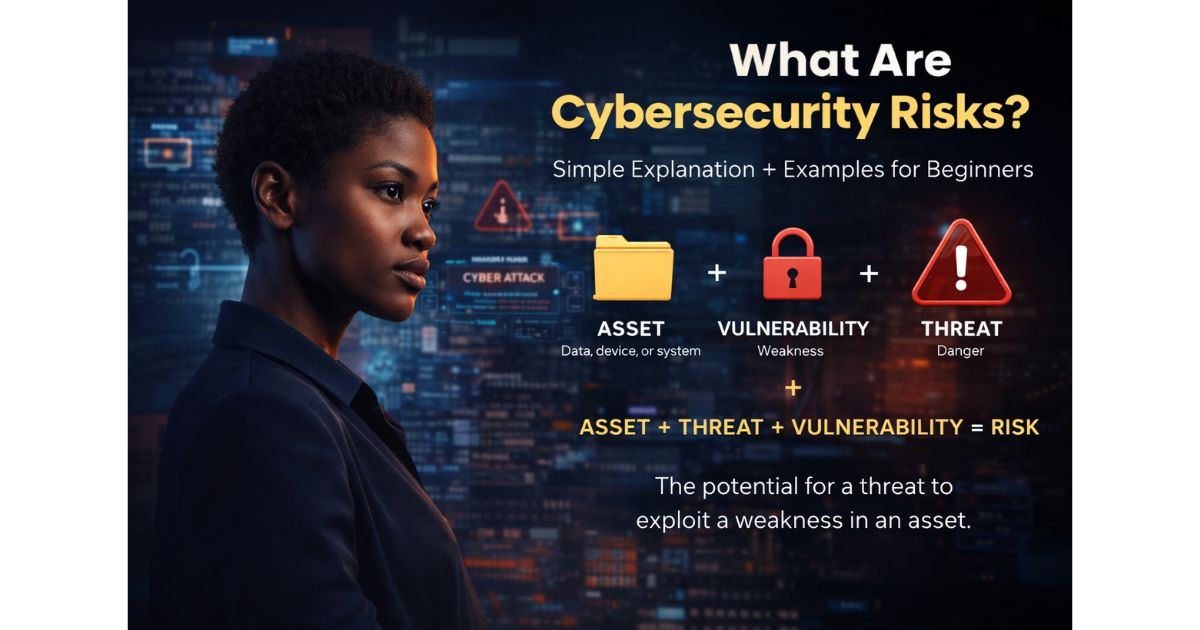

When people hear the word cybersecurity, they often imagine technical teams working behind the scenes installing firewalls, monitoring systems, and defending networks from hackers.
Because of this, many assume cybersecurity is simply an IT responsibility.
But the reality is different.
Cybersecurity is not just a technical issue. It is a business risk issue that affects operations, finances, reputation, and customer trust. When a cyber incident happens, the consequences extend far beyond the IT department.
Understanding cybersecurity as a business problem helps organisations make better decisions about risk, resources, and long-term resilience.
Cyber Incidents Can Disrupt Business Operations
One of the most immediate effects of a cyber attack is operational disruption.
When critical systems are compromised or unavailable, normal business activities can come to a halt. For example, ransomware attacks often lock organisations out of their own systems, making it impossible to access files, process transactions, or communicate internally.
In some cases, companies cannot deliver services to customers or run essential operations until systems are restored.
This is why cybersecurity is closely tied to business continuity. When systems fail, the impact is felt across the entire organisation not just in the IT department.
Financial Loss Is a Real Risk
Cyber incidents can also lead to significant financial consequences.
Organisations may face costs such as:
- System recovery and incident response
- Legal and regulatory penalties
- Customer compensation
- Business interruption losses
Even when systems are restored quickly, the financial impact can be substantial. For many organisations, cybersecurity failures are not just technical problems they become financial risks that leadership must manage.
Customer Trust Can Be Damaged
Modern businesses rely heavily on customer trust, especially when handling personal data, financial information, or digital services.
If a cyber incident exposes customer data or disrupts services, customers may begin to question whether the company can protect their information.
Rebuilding trust after a major security incident can take years. In some cases, customers simply move to competitors they believe are more secure.
This is why cybersecurity is closely connected to brand reputation and customer confidence.
Regulatory Consequences Can Follow
Many industries are now subject to data protection and cybersecurity regulations.
When organisations fail to protect sensitive data, regulators may investigate and impose penalties. These consequences can include fines, legal obligations, or increased oversight.
For leadership teams, this means cybersecurity risks must be managed not only from a technical perspective but also from a compliance and governance perspective.
Cybersecurity Requires Business-Level Decisions
Because cybersecurity affects operations, finances, reputation, and compliance, it cannot be managed by technical teams alone.
Effective cybersecurity requires business-level decision making, including:
- Determining acceptable levels of risk
- Allocating resources to protect critical systems
- Prioritizing security improvements
- Deciding how to respond to incidents
These decisions often involve senior leadership, risk managers, legal teams, and operational leaders not just IT specialists.
Security Teams and Business Leaders Must Work Together
Cybersecurity works best when technical teams and business leaders collaborate.
Security professionals can identify threats and recommend controls, but leadership must decide how risks align with the organisation’s risk appetite, priorities, and resources.
When cybersecurity is treated purely as an IT issue, organisations may underestimate the broader consequences of cyber incidents.
When it is treated as a business risk, security becomes part of strategic decision-making.
On a final note….
Cybersecurity is often associated with technical tools and defensive technologies. However, the real impact of cyber incidents is felt across the entire organisation.
System disruptions, financial losses, regulatory exposure, and damage to customer trust all make cybersecurity a business problem, not just a technical one.
Organisations that understand this shift are better prepared to manage cyber risk, protect their operations, and maintain trust with customers.
In the end, cybersecurity is not only about defending networks it is about protecting the business itself.