
Can hackers attack an airport without touching an aircraft? Yes. An airport depends on a network of connected digital systems that support passenger check in, baggage handling, flight information, building operations and communication. A cyberattack against these systems could disrupt airport services even if no aircraft is directly targeted. Imagine arriving at the airport for an important journey. You have your ticket, your passport and your luggage. But when you reach the check in area, the screens stop updating. Passengers begin asking questions. Staff members are trying to understand what has happened, and departure information is no longer appearing as expected. Your first thought might be that the airport has a technical problem. However, what if the disruption began with a cyberattack against one of the airport’s digital systems? This is why can hackers attack an airport without touching an aircraft is an important question in modern aviation cybersecurity. Airports are becoming increasingly dependent on connected technology, and protecting aviation now involves much more than protecting aircraft themselves. The International Civil Aviation Organization (ICAO) recognises that cybersecurity affects the wider aviation sector because of its interconnected systems and dependence on digital infrastructure. In this article, we will explore five cybersecurity risks airports face and how AI powered alert systems could help detect suspicious activity before a problem becomes more serious. 1. Can Hackers Attack an Airport Without Touching an Aircraft Through Digital Information Screens? Think about the flight information screens you see when you enter an airport. They tell passengers which flights are departing, where to check in and whether a flight is delayed. These screens depend on digital systems that receive and display information. If an attacker compromises a system responsible for providing that information, passengers could receive incorrect information or stop receiving updates. Depending on how the systems are designed and protected, a disruption could create confusion and increase pressure on airport staff. This does not mean that every screen is directly connected to every airport system. Airports use different technical arrangements, and the impact of an incident depends on the systems involved. Nevertheless, digital information services are part of the airport’s wider technology environment. How AI could help AI powered security monitoring tools can analyse activity across supported networks and systems. They may identify unusual access attempts, unexpected changes or communication patterns that differ from normal behaviour. For example, imagine a digital information system suddenly receives unusual instructions from an account that does not normally access it. A security monitoring tool could flag that activity for investigation. The alert would not automatically prove that a hacker was responsible. It would give the airport’s security team a reason to investigate before assuming everything was normal. This is one way AI could help answer the question: can hackers attack an airport without touching an aircraft, and how might suspicious activity be noticed? 2. Can Hackers Attack an Airport Without Touching an Aircraft Through Check In and Baggage Systems? Passengers often associate airport technology with check in kiosks, boarding passes, baggage tags and luggage tracking. Behind these familiar services are digital applications, databases and connections between different service providers. If a system supporting check in or baggage processing becomes unavailable, the airport may need to use alternative procedures. Depending on the nature and extent of the disruption, passengers could experience longer queues, delayed baggage processing or changes to the boarding process. A cyberattack is only one possible cause of such problems. Hardware failures, software errors and network outages can also disrupt services. The cybersecurity concern is that an attacker might deliberately exploit a weakness in one of these systems. How AI could help AI based anomaly detection can help security teams identify behaviour that does not match normal system activity. For example, a monitoring system might flag an unusual volume of failed logins, unexpected access to sensitive records or an account behaving differently from its established pattern. Security teams can investigate the alert, verify whether the activity is authorised and take appropriate action if a threat is confirmed. AI can also help analysts examine large volumes of security logs that would be difficult to review manually. However, AI does not guarantee that an attack will be detected. The system needs access to useful data, appropriate configuration and regular testing. It must also be supported by trained people who can investigate and respond to alerts. 3. Can Hackers Attack an Airport Without Touching an Aircraft Through Public Wi Fi? Airport Wi Fi is convenient. Passengers use it to check flight updates, send messages, contact family members and download entertainment while waiting to board. But public internet access introduces cybersecurity considerations for both travellers and airport operators. Cybercriminals may create fake Wi Fi networks, use phishing pages to collect login details or attempt to exploit weaknesses in connected services. These activities do not necessarily mean the airport’s own network has been compromised. The important distinction is that public Wi Fi risks and attacks against airport operational systems are not the same thing. A passenger connecting to an unsafe network is facing a different risk from an attacker compromising an airport’s internal technology. Airport operators must therefore protect their own networks while helping passengers understand how to stay safe online. How AI could help AI powered security tools can analyse supported network traffic and look for suspicious patterns, such as unusual connections, abnormal data transfers or behaviour associated with known threats. If a monitoring system detects activity that meets its alert criteria, it can notify security personnel for investigation. But AI cannot automatically identify every fake Wi Fi network or prevent every phishing attempt. Detection depends on the information available to the system, the quality of its models and the security controls around it. Passengers should still avoid entering sensitive information into unfamiliar websites, verify network names with official airport information and use secure connections when accessing important accounts. The lesson is simple: AI can strengthen cybersecurity, but it cannot replace sensible security practices. 4. Can Hackers Attack an Airport Without Touching
What Happens to Your Data After You Leave the Plane? 5 Things Passengers Should Know
What happens to your data after you leave the plane? You collect your luggage, leave the airport and continue with your life. Your flight is over. But your digital journey may not be over. Somewhere in the systems used to manage your trip, there may still be records connected to your journey. Your name, booking information, travel dates, contact details, loyalty account information and other passenger details may have been collected during the booking and travel process. So, what happens to your data after you leave the plane? It depends on the airline, the type of information collected, why it was collected and the laws that apply to the organisation handling it. The important thing for passengers to understand is that your physical journey can end long before your digital journey does. Your Flight Has Ended, But Your Data May Still Exist Think about everything that happens before you board a flight. You search for a ticket. You create a booking. You enter your personal information. You pay for the ticket. You check in. You receive a boarding pass. You pass through the airport. Your baggage is processed. All of these activities can create digital records. That is why what happens to your data after you leave the plane is an important question in modern air travel. Your information does not necessarily disappear simply because your aircraft has landed. Instead, some information may be retained because the airline or another organisation needs it for legitimate business, operational, security, legal or regulatory reasons. But that does not mean an airline should keep everything forever. Data protection principles generally encourage organisations to collect only the information they need and retain personal information only for as long as necessary for its purpose, subject to applicable laws and requirements. So what happens to your data after you leave the plane depends partly on why the information was collected in the first place. 1. Your Booking Information May Still Be Stored Your flight may have lasted six hours. Your booking record can exist for much longer. Airlines need booking information to manage reservations, handle changes, provide customer service and maintain records. Your booking may contain information such as: This means what happens to your data after you leave the plane is not necessarily the same as what happens to your boarding pass. The boarding pass may no longer be useful to you. But the airline may still need certain booking information for legitimate purposes. For example, you may contact customer service weeks later because of a baggage problem or request information about a previous journey. The airline may need records to investigate the issue. This is one reason passengers should not assume that their information disappears immediately after landing. 2. Your Travel Information May Be Shared With Other Systems An airline does not always operate alone. Your journey can involve airports, payment providers, baggage services, ground handling companies, government authorities and other organisations. Different organisations may need certain information to perform their role. This makes what happens to your data after you leave the plane more complicated than simply asking what the airline does with it. Your information may have been processed by several systems during your journey. For example, your booking information may have been used to manage your reservation. Your passenger information may have been needed for travel or security requirements. Your payment information may have been processed through a payment provider. Your baggage information may have been used to help track your luggage. These different systems do not necessarily mean everyone has access to everything about you. Access should be limited according to the purpose and responsibilities of the organisation involved. But it shows why passenger data can become part of a much larger digital travel ecosystem. 3. Your Information May Be Kept for Legal or Security Reasons This is an important part of understanding what happens to your data after you leave the plane. Sometimes an organisation may need to keep information because regulations or legal obligations require it. A passenger might think: “My flight is finished, so delete everything.” But an airline may have legitimate reasons for retaining certain records. Some information may be needed for accounting. Some may be required for regulatory purposes. Some may be necessary for security or operational records. Some may be needed to resolve complaints or disputes. The exact retention period depends on the type of information, the organisation and the laws that apply. This means there is no single answer to the question what happens to your data after you leave the plane. Different types of information can have different retention periods. Your airline should also have privacy information explaining how it handles personal data and, where applicable, how long different categories of information are retained. 4. Your Old Airline Account Can Still Contain Your Information What happens if you have not flown with an airline for three years? Your account may still exist. Many passengers create airline accounts to manage bookings, collect loyalty points or receive travel offers. Over time, that account can accumulate information. Your name. Your email address. Your phone number. Your loyalty activity. Your previous bookings. Your preferences. This is another important part of what happens to your data after you leave the plane. Your physical journey may have ended, but your digital relationship with the airline could continue. This is why passengers should occasionally review the accounts they have created with airlines and travel companies. If you no longer use an account, check whether the organisation provides options to close it or manage your personal information. You should also make sure your password is strong and unique. If two factor authentication is available, consider enabling it. Remember, an old account can still contain valuable information even if you have not used it for years. 5. Your Data Could Become a Cybersecurity Target Now we reach the part passengers often overlook. The information stored by airlines has value. Your name and contact information have value. Your travel history can
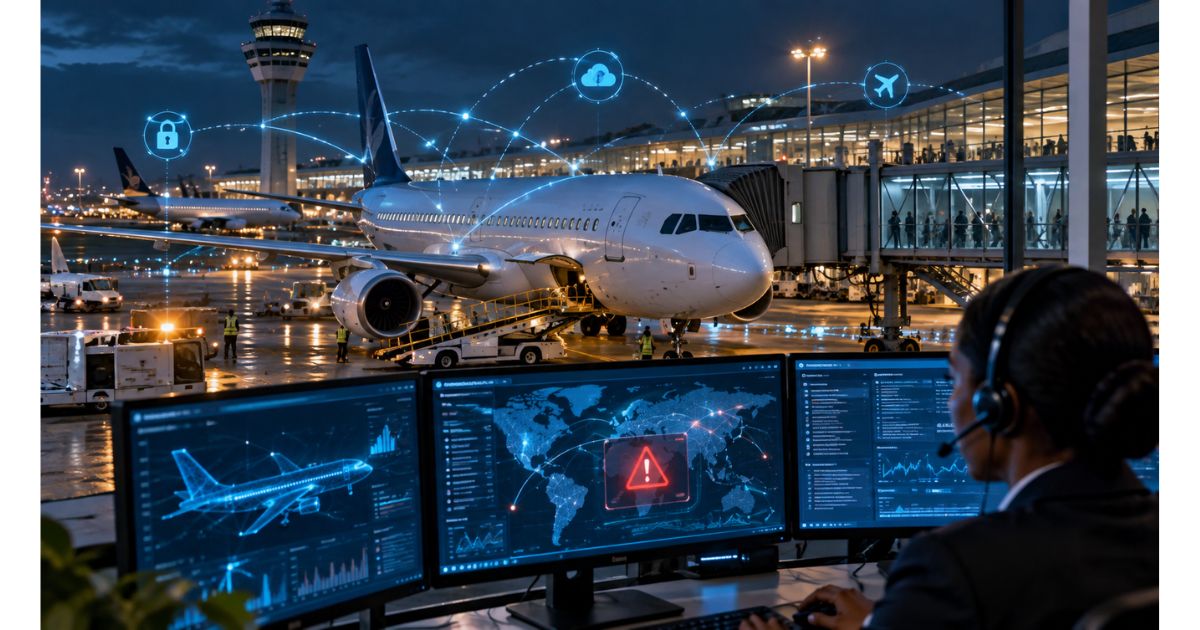
Can AI Predict Turbulence Before Your Flight : 5 Powerful Insights
Can AI predict turbulence before your flight? Imagine you are sitting comfortably in your window seat. The cabin crew has just completed the safety demonstration, the aircraft is climbing through the clouds, and everything feels perfectly normal. Then suddenly, the aircraft shakes. You look outside, but there is nothing unusual to see. No dark clouds. No storm. Just clear blue sky. That is one of the reasons turbulence can be so unsettling. It is not always visible, and it does not always arrive with an obvious warning. But aviation is changing. Weather models are becoming more sophisticated, aircraft are generating enormous amounts of data, and artificial intelligence is being explored as another tool for understanding atmospheric conditions. So, can AI predict turbulence before your flight? The answer is yes, to a certain extent. AI and machine learning can analyse large amounts of weather and aircraft data to identify patterns associated with turbulence. However, AI cannot guarantee exactly where turbulence will occur, how severe it will be, or precisely when an aircraft will encounter it. And that distinction matters. What exactly is turbulence? Before understanding can AI predict turbulence before your flight, it helps to understand what turbulence actually is. Turbulence is essentially irregular movement of air. Instead of an aircraft moving through relatively smooth airflow, it encounters changing currents, wind speeds or directions that cause the aircraft to move or shake. According to the Federal Aviation Administration, turbulence can be associated with jet streams, mountains, weather fronts, thunderstorms and other atmospheric conditions. It can even occur when the sky looks completely clear. That last part is particularly important. You might look through the aircraft window and see nothing but sunshine while the aircraft encounters clear air turbulence, commonly called CAT. This is one of the more difficult types of turbulence to anticipate because there may be no visible cloud or storm acting as an obvious warning. So, can AI predict turbulence before your flight when there is nothing obvious to see? This is where data becomes important. How does AI predict turbulence? AI does not simply look at a photograph of the sky and say, There will be turbulence here. Instead, machine learning systems can examine large quantities of information and identify patterns that humans might not easily detect across such a large dataset. For example, turbulence prediction can involve information about: The FAA’s turbulence program already combines different sources of information to produce turbulence forecasts. Its Graphical Turbulence Guidance system uses numerical weather model data alongside aircraft turbulence observations and pilot reports. This gives us an important distinction. AI is not replacing meteorology. Instead, AI can become another layer that helps analyse and interpret complex atmospheric information. Research has already demonstrated that machine learning can improve turbulence forecasting. One study using an XGBoost machine learning model combined several conventional turbulence indicators and found improved forecasting performance compared with individual indicators across the Asia Pacific region. So, can AI predict turbulence before your flight using this type of information? It can estimate the risk of turbulence. That is different from knowing exactly what will happen. AI can look for turbulence patterns Think about the way AI predicts other aviation disruptions. In flight delay prediction, an AI system can look at weather, aircraft location, airport congestion, previous delays and other operational information. Turbulence prediction follows a similar principle. The system can examine multiple variables at the same time. Imagine an aircraft preparing to fly across a region where: A strong jet stream is developing. Wind speeds are changing rapidly. Atmospheric conditions are becoming unstable. Previous aircraft have reported turbulence in the area. Weather models are also showing conditions associated with increased turbulence. Individually, each piece of information might not tell the whole story. Together, however, they create a pattern. This is where can AI predict turbulence before your flight becomes a much more interesting question. AI can potentially identify those patterns and provide an estimate of where turbulence may be more likely. What about clear air turbulence? This is probably the part passengers find most interesting. Can AI predict turbulence before your flight when there are no clouds? Clear air turbulence can occur without visible clouds or thunderstorms. The FAA notes that clear air turbulence is particularly relevant to jet operations at higher altitudes, and pilot reports remain an important source of information about where it is occurring. This makes CAT particularly challenging. A passenger cannot simply look through the window and identify it. Even a pilot cannot rely only on what is visible outside the cockpit. Instead, aviation professionals use weather information, forecasts, reports and other available data to assess the environment. AI could make this process more powerful by analysing enormous datasets and identifying subtle relationships between atmospheric variables and turbulence encounters. Research published in 2025 also investigated machine learning for global low level turbulence forecasting, using millions of turbulence diagnostics and aircraft based observations. That does not mean AI has solved turbulence prediction. It means researchers are actively exploring how machine learning can improve it. AI can also learn from aircraft One of the most interesting developments is that the aircraft itself can become a source of information. Modern aircraft contain sensors and systems that collect information about the aircraft and its surrounding environment. The FAA describes an in situ Eddy Dissipation Rate system that uses aircraft sensor information, including winds and pressure, together with other aircraft measurements to estimate atmospheric turbulence. Aircraft observations can also be shared to improve the overall picture of atmospheric conditions. Imagine one aircraft encounters moderate turbulence at a particular altitude. That information can potentially help other aircraft operating nearby. Now imagine thousands of aircraft contributing information. This creates something much bigger than one aircraft’s experience. It creates a constantly changing picture of atmospheric conditions. AI can then potentially help identify patterns within that enormous stream of information. But can AI predict exactly when turbulence will happen? This is where we need to be careful. Can AI predict turbulence before your flight
How AI Helps Airlines Reduce Flight Delays: 5 Powerful Ways
How AI helps airlines reduce flight delays is becoming one of the most interesting developments in modern aviation, because the technology is moving beyond simply predicting that something will go wrong. Imagine you are sitting at an airport. Your flight is scheduled to depart at 4:00 PM. The departure board says On Time. You buy your coffee, sit down and start scrolling through your phone. What you cannot see is what is happening behind the scenes. Your aircraft is still flying toward the airport. A storm is developing along another part of the route. The airport is becoming crowded. Several other flights are arriving at around the same time. And the airline is trying to work out whether one small delay could turn into a much bigger problem. This is where how AI helps airlines reduce flight delays becomes more than a technology story. It becomes a story about what happens before passengers ever notice a problem. AI Is Moving From Prediction to Prevention We have already explored how AI can predict flight delays. But there is an important difference between predicting a delay and reducing a delay. If an AI system tells an airline that a flight has an 80 percent chance of being delayed, that information is useful. But the bigger question is: What can the airline do about it? This is where how AI helps airlines reduce flight delays becomes particularly interesting. AI can analyse huge amounts of information and help airline and aviation teams identify problems early enough to respond. The goal is not to make every flight perfectly punctual. That is impossible. The goal is to give people enough information to make better operational decisions before a small problem becomes a major disruption. A Real World Example Is Already Here This is not just something that might happen in the future. In September 2026, the U.S. Federal Aviation Administration began deploying an AI supported system called SMART, or Strategic Management of Airspace, Routes and Trajectories, to help manage air traffic around the Washington, D.C. area. The system brings together around 200 data streams, including weather, flight paths, traffic flow, airport capacity and controller staffing information. It is designed to help aviation specialists identify congestion and other problems before they occur. That is a real example of how AI helps airlines reduce flight delays through earlier visibility into problems affecting the wider airspace. The FAA says its related Flow Management Data and Services platform uses flight plans, airline schedules and real time aircraft position information to project congestion and capacity limitations in advance. So the future we are talking about is already beginning to arrive. 1. AI Can See a Delay Before It Becomes Your Delay Let’s go back to your 4:00 PM flight. The aircraft scheduled to operate your flight is coming from another city. But that aircraft is already 25 minutes late. You might not know this. The airline does. An AI system can connect the aircraft’s current position with its next scheduled flight. It can then estimate how the late arrival could affect the next departure. This is one of the clearest examples of how AI helps airlines reduce flight delays. Instead of waiting until the aircraft lands and discovering that the schedule has already fallen apart, airline operations teams can receive an earlier warning. They may then have options. Perhaps they can change the aircraft assignment. Perhaps they can adjust the gate. Perhaps they can reorganise the turnaround. Perhaps they can communicate with connecting passengers. The prediction itself does not remove the delay. It gives people more time to respond. 2. AI Can Help Airlines Deal With Airport Congestion Airports can become incredibly complicated places. Imagine several aircraft arriving within a short period. They need gates. They need ground staff. They need baggage handling. They need cleaning. They need refuelling. They need catering. They need passengers to board again. One aircraft arriving late can affect several of these activities. Research and operational projects are already exploring how AI can improve airline ground operations and staff scheduling by accounting for unpredictable disruptions. A University of Twente project working with KLM, for example, has explored AI based scheduling for baggage handling and other ground operations. This shows another important part of how AI helps airlines reduce flight delays. AI does not have to be sitting inside the aircraft. It can be working behind the scenes on the ground. 3. AI Can Help With Weather Weather is one of the biggest challenges in aviation. You cannot negotiate with a thunderstorm. You cannot tell heavy rain to move somewhere else. And you certainly cannot ask lightning to wait until your flight has landed. The FAA’s NextGen Weather Processor combines radar, satellite information, lightning data, surface observations, aircraft observations and weather forecast models to help identify aviation hazards and predict route and airspace capacity constraints. This is another example of how AI helps airlines reduce flight delays. When aviation teams have better information about developing weather conditions, they can potentially make better decisions about routes and traffic flow. The aircraft might be rerouted. Departure times might be adjusted. Traffic might be managed differently. The important thing is that the system is looking ahead rather than simply reacting after the disruption has already happened. 4. AI Can Help With Aircraft Maintenance Now imagine your aircraft is ready for boarding. Passengers are finding their seats. The cabin crew is preparing for departure. Then a maintenance issue appears. The aircraft cannot leave until it is resolved. This is where predictive maintenance becomes important. Instead of waiting for a component to fail completely, AI systems can analyse aircraft data and identify patterns that may indicate an emerging problem. The objective is to identify maintenance needs earlier and reduce unexpected disruptions. AI applications in aviation are increasingly being explored for maintenance, operations and other areas of air transportation. A 2025 review of AI and data science applications in air transportation identified potential operational benefits including reduced delays, improved aircraft utilisation and
Can AI Predict Flight Cancellations Before Airlines Announce Them?
Can AI predict flight cancellations before airlines announce them? Imagine arriving at the airport two hours before your flight, checking the departure board and seeing three comforting words: “On Time.” You relax. You buy your coffee. You sit down. Maybe you even call home to say everything is going smoothly. But somewhere behind the scenes, the situation may already be changing. The aircraft you are supposed to fly on is arriving late from another city. Weather is deteriorating at your destination. The airport is becoming congested. The crew operating your flight may be approaching their permitted operating limits. Nobody has announced a cancellation. Yet. So, can AI predict flight cancellations before airlines announce them? Increasingly, AI can help identify the risk of a cancellation before the cancellation becomes official. It cannot see the future with certainty, but it can analyse large amounts of information and identify patterns that humans might struggle to process quickly. And that could change the way passengers experience disrupted flights. Imagine Your Flight Is Slowly Falling Apart Let’s say your flight is scheduled to leave at 4:00 PM. At 10:00 AM, everything looks normal. At 11:30 AM, your aircraft is delayed at its previous airport. At noon, thunderstorms begin developing around your destination. At 1:00 PM, air traffic restrictions are introduced. At 1:30 PM, your aircraft is still on the ground. You are sitting at home thinking: “My flight still says 4:00 PM. I should be fine.” But the airline’s operations team has a very different picture. The question is no longer simply whether the flight is delayed. The question becomes: Can the aircraft, crew, airport and operating conditions realistically come together in time for this flight to operate? That is where can AI predict flight cancellations before airlines announce them becomes fascinating. What Would AI Actually Look At? For can AI predict flight cancellations before airlines announce them to make sense, we first need to understand what can cause a flight to be cancelled. There is rarely one single reason. The U.S. Federal Aviation Administration notes that cancellations can result from weather, extensive system delays, crew issues and equipment problems, among other factors. Airlines make the decision to cancel their own flights in response to these conditions. That means an AI system could potentially analyse several signals at the same time. For example: One piece of information may not mean much. But when several problems appear together, the risk can change dramatically. Weather Could Be One of the Biggest Clues Think about a flight heading toward an airport where severe thunderstorms are developing. The weather might not be bad where you are. You might even look outside and see beautiful sunshine. Yet your aircraft is heading toward a destination where landing conditions are becoming difficult. The FAA identifies weather as the largest cause of delays in the U.S. National Airspace System. It also explains that thunderstorms can force aircraft to hold, divert or wait until conditions improve. This means an AI system does not necessarily need to wait until passengers see dark clouds outside the departure airport. It can analyse weather information along the entire journey. That is one reason can AI predict flight cancellations before airlines announce them is not simply a theoretical question. AI can process weather information alongside other operational information to estimate what could happen next. Your Aircraft Could Already Be the Problem Here is something passengers do not always think about. The aircraft you are waiting for may not even be at your airport yet. Perhaps it is operating another flight. That earlier flight gets delayed. Your aircraft arrives late. Your departure gets pushed back. Then the next flight using the same aircraft is affected. This is called delay propagation. FAA aviation data systems specifically recognise late arriving aircraft as a cause of downstream delays. Now imagine an AI system watching this chain in real time. It sees: Flight A is late. ↓ The aircraft operating Flight B is Flight A’s aircraft. ↓ Flight B is now likely to depart late. ↓ Flight B is connected to another flight later in the day. ↓ The delay is spreading. Suddenly, can AI predict flight cancellations before airlines announce them becomes much more interesting. AI could potentially identify the developing chain before passengers realise that a problem is forming. What About the Crew? There is another part of the story passengers rarely see. An aircraft needs more than an aircraft. It needs a properly qualified crew who are legally and operationally available to operate the flight. If earlier delays continue for several hours, crew schedules can also be affected. FAA delay classification data includes crew related issues such as crew legality, late crew and crew rest among carrier delay factors. This creates another possible signal for an AI system. Imagine the system sees that: None of those factors alone guarantees cancellation. But together? The risk could be considerably different. This is exactly the type of pattern recognition where AI can be useful. AI Could Give the Airline a Warning Before You Get On Imagine the airline’s operations team receiving a message: High cancellation risk detected. The flight has not been cancelled. The passengers have not been notified. The departure board still says: 4:00 PM — ON TIME But the system has identified several warning signals. This is where can AI predict flight cancellations before airlines announce them becomes valuable. The AI does not necessarily make the cancellation decision. Instead, it could give the human operations team an early warning. That gives the airline more time to investigate. Perhaps the aircraft can be replaced. Perhaps another crew can operate the flight. Perhaps the weather improves. Perhaps the flight can still operate. The prediction does not automatically become the outcome. Prediction Is Not Cancellation This distinction is extremely important. Suppose an AI system calculates: 72% probability of cancellation. Does that mean the airline should cancel the flight? Not necessarily. There is still a 28% possibility that the flight operates. The weather could improve.
Can AI Predict If You Will Miss Your Connecting Flight?
Can AI predict if you will miss your connecting flight? Imagine landing at an airport with only 42 minutes before your next flight leaves. You have never been to this airport before. Your arrival gate is at one end of the terminal, your departure gate is somewhere else, and you still have to pass through security or immigration. You look at your boarding pass and think, I should be fine. But somewhere inside the airline’s digital systems, the situation may already look very different. Your incoming aircraft is running 18 minutes late. Your connecting flight is scheduled to leave from a distant gate. The airport is busy. Other passengers from your flight also need to make the same connection. So the real question becomes: Can AI predict if you will miss your connecting flight? The answer is increasingly yes, at least in terms of estimating the risk. Researchers have already developed machine learning models designed to predict whether passengers will miss connecting flights. One peer reviewed study found that factors such as the available connection time and border control requirements can contribute significantly to the prediction. But prediction is not the same as certainty. And that distinction could become very important for the future of air travel. Imagine Your Connection Is Slowly Disappearing Let’s say you are flying from Lagos to London and then connecting to another European city. Your first flight is scheduled to arrive at 6:20 PM. Your connecting flight leaves at 7:15 PM. That gives you 55 minutes. At first, that sounds reasonable. Then your aircraft is delayed. It is now expected to arrive at 6:38 PM. You have lost 18 minutes. Then you remember that you have to leave the aircraft, walk through the airport, possibly pass through a security or border control point and reach your next gate before boarding closes. Suddenly, your 55 minute connection does not really feel like 55 minutes anymore. This is where Can AI predict if you will miss your connecting flight? becomes more than an interesting technology question. It becomes a passenger experience question. Because AI does not necessarily have to wait until you miss the flight. It can potentially identify the risk before the missed connection actually happens. What Does AI Look At? For Can AI predict if you will miss your connecting flight? to be useful, the system needs information about what is happening around your journey. One important factor is your connection time. The aviation industry already uses the concept of Minimum Connecting Time, or MCT. IATA defines MCT as the shortest time required to transfer a passenger and their luggage between connecting flights at a particular location. IATA’s current Station Standard MCT publication covers hundreds of connected airports and is updated through its industry processes. But AI can potentially look beyond a simple scheduled time. It could consider several signals together. 1. How late is your incoming flight? This is probably the most obvious factor. If your aircraft is already 30 minutes late and you only have 45 minutes before your next departure, the connection is becoming more difficult. But the system does not necessarily have to wait for the aircraft to land. Real time flight information can help estimate when the aircraft is likely to arrive. That means Can AI predict if you will miss your connecting flight? can become a question that is answered while you are still sitting on the first aircraft. 2. How much connection time do you really have? Imagine two passengers who both have 45 minutes between flights. Passenger A arrives at a gate directly beside the departure gate. Passenger B arrives at a remote part of the airport and needs to cross a large terminal. On paper, both passengers have the same connection time. In reality, their situations are very different. Research into missed connection prediction has found that scheduled or perceived connection time is among the most important factors in predicting whether a passenger will successfully make a connection. This is where AI becomes interesting. Instead of simply asking: “How many minutes are left? the system can ask: How many usable minutes does this passenger realistically have? The Airport Itself Matters Airports are not static environments. A passenger might have to walk a long distance between gates. Another passenger might need to take a train between terminals. Someone else might have to go through immigration before reaching the next gate. So Can AI predict if you will miss your connecting flight? also depends on understanding the airport environment. The system could potentially combine information about: Suddenly, the question is no longer simply about two flights. It is about the entire journey between those flights. What About Other Passengers? Here is another interesting part. You may not be the only passenger trying to make that connection. Imagine 80 passengers on your incoming flight are all connecting to the same departing aircraft. The first flight arrives late. The airline now has a decision to make. Should it wait for those passengers? Should it begin boarding? Should it rebook passengers who are unlikely to make it? Should airport staff help passengers move through the terminal faster? This is where Can AI predict if you will miss your connecting flight? becomes an operational question as well as a passenger question. A machine learning system could potentially identify a group of passengers who are at high risk of missing their connection and alert the relevant teams. Research has specifically explored machine learning based decision support for missed connections at airline hub airports, including predictions at different stages of flight operations. AI Could Give You a Risk, Not a Guarantee This is one of the most important things to understand. If an AI system tells you: “There is an 82% chance you will miss your connecting flight.” that does not mean you will definitely miss it. You might get off the aircraft quickly. You might have a gate nearby. The airport might be quiet. Your connecting aircraft might leave a few minutes
Why Are Flights Delayed Even When AI Predicts Them?
Why are flights delayed even when AI predicts them? If artificial intelligence can analyse weather, aircraft movements, airport congestion and other information, it may seem strange that an airline can know a delay is coming and still not be able to stop it. But predicting a problem and preventing a problem are two different things. Imagine checking your airline app before leaving home. It says your flight has a high chance of being delayed. You arrive at the airport and, a few hours later, the delay happens exactly as predicted. You might wonder: If AI knew this was going to happen, why didn’t the airline prevent it? The answer is that AI can provide a warning, but it cannot control every part of an aviation operation. AI Can Predict a Delay Without Being Able to Stop It Modern AI systems can analyse large amounts of information and look for patterns that may indicate a delay. Research published in 2026 reviewed 72 studies on machine learning and flight delay prediction. The review found that AI models can achieve strong predictive performance, particularly when they use information such as weather and operational data. It also highlighted an important problem: uncertainty and real world deployment remain challenges. This explains why ‘why are flights delayed even when AI predicts them’ is such an interesting question. An AI system might say: “There is an 80 percent chance that this flight will be delayed.” That does not mean the system has found a way to prevent the delay. It simply means the available data suggests that a delay is likely. The airline still has to decide what to do with that information. Prediction Is Not the Same as Prevention Think about a weather app. If your weather app tells you that heavy rain will arrive at 5 pm, knowing about the rain does not give you the power to stop it. You can take an umbrella. You can leave home earlier. You can change your plans. But you cannot stop the rain. The same idea applies to aviation. AI can warn an airline about a possible problem. The airline can then look for ways to reduce the impact. But some problems are outside the airline’s control. That is one of the main answers to why are flights delayed even when AI predicts them. Weather Can Still Cause a Delay Weather is one of the biggest causes of flight delays. According to the FAA, weather accounted for 74.26 percent of system impacting delays of more than 15 minutes in the United States between June 2017 and May 2023. And weather does not have to be bad at your departure airport. Your flight could be delayed because of weather at the destination airport or somewhere along the route. For example, imagine you are waiting for a flight in Lagos and the weather is perfectly clear. Your flight could still be delayed because thunderstorms are affecting the destination airport. The FAA explains that aircraft may have to avoid thunderstorms, use different routes, hold before landing or divert to another airport when severe weather affects operations. So why are flights delayed even when AI predicts them? Because AI can predict the weather related risk, but the aircraft still has to operate within safe limits. Safety comes before punctuality. Air Traffic Can Make the Problem Bigger Even when an airline knows bad weather is coming, it may not have complete freedom to change everything. Airspace has limited capacity. Airports also have limited runways, gates and arrival and departure slots. When too many aircraft need to use the same airspace or airport at the same time, traffic management becomes necessary. The FAA’s Flow Management Data and Services platform uses flight plans, airline schedules and real time aircraft positions to project congestion in advance. The goal is to improve traffic flow and reduce delays. But even with advanced technology, there may simply be too many aircraft competing for limited capacity. This is another reason why are flights delayed even when AI predicts them. The technology may see the problem clearly, but there may not be enough capacity to remove it completely. Your Aircraft May Already Be Late Here is another reason passengers often experience delays. The aircraft assigned to your flight may still be operating another flight. For example: Flight 1: Lagos to Accra Flight 2: Accra to Lagos If Flight 1 arrives late in Accra, Flight 2 may also leave late. The original delay has now moved to another flight. This is often called delay propagation. It is one of the reasons why are flights delayed even when AI predicts them can be difficult to answer with one simple explanation. AI may know that the incoming aircraft is late. But the airline may not have another aircraft available. Changing aircraft may also create other problems elsewhere in the schedule. A decision that solves one delay could create another. Crew Availability Can Also Cause Delays Aircraft are not the only things airlines have to manage. They also need pilots and cabin crew. Flight crew members have rules covering their working hours, rest and other operational requirements. If an earlier flight becomes very late, the crew scheduled for a later flight may no longer be able to operate it within the applicable limits. AI may identify this problem hours before it happens. But the airline still needs to find a practical solution. That could involve another qualified crew, a schedule change or another operational decision. This is another important answer to why are flights delayed even when AI predicts them. Knowing that a problem is coming does not automatically mean there is an available solution. Maintenance Problems Can Appear Unexpectedly AI can also be used to support predictive maintenance. Instead of waiting for a problem to become obvious, AI can analyse aircraft data and look for unusual patterns. This could help maintenance teams investigate potential issues earlier. However, aircraft maintenance is not an area where an airline can simply say: “The AI says
Can AI Prevent Flight Delays? What Technology Can and Cannot Control
Can AI prevent flight delays? This is a question many passengers may ask as artificial intelligence becomes a bigger part of aviation. Imagine you are at the airport and your flight is still showing “On Time.” However, several things may already be going wrong behind the scenes. The aircraft coming to pick you up is running late. Bad weather is moving toward the airport. Your gate is still occupied. Air traffic is getting busier. You may not know any of this yet. But an AI system could analyse these different pieces of information and warn the airline that a delay may be coming. This leads to an important question: Can AI prevent flight delays? The answer is not a simple yes or no. AI cannot control everything that causes a flight delay. It cannot stop a thunderstorm, repair an aircraft instantly or create another runway. However, AI can help airlines see problems earlier, make better decisions and reduce the effect of some delays. That could make a big difference to the future of air travel. How AI Could Help Prevent Flight Delays Airlines deal with a huge amount of information every day. They need to know where their aircraft are, what the weather looks like, whether airports are busy, when aircraft need maintenance and where their crews are. Humans can analyse some of this information, but AI can process very large amounts of data very quickly. This is why Can AI prevent flight delays? is becoming an important question for the future of aviation. If AI sees signs that a flight may be delayed, airline staff may have more time to respond. For example, they could: AI does not have to remove every delay to be useful. Sometimes, reducing a three hour delay to thirty minutes is already a major improvement. Can AI Help With Weather Delays? Weather is one of the biggest causes of flight delays. Thunderstorms, heavy rain, strong winds and poor visibility can affect flights. In the United States, the FAA says weather accounted for more than 74 percent of system impacting delays of more than 15 minutes between June 2017 and May 2023. But here is the important point. AI cannot control the weather. It cannot make a thunderstorm disappear because passengers want their flight to leave. Safety must always come first. What AI can do is help airlines understand how weather could affect their operations. For example, suppose an AI system notices that a large storm is moving toward an airport later in the day. The airline could start preparing before the storm arrives. It might change aircraft schedules, adjust flight plans or prepare passengers for possible delays. So, can AI prevent flight delays caused by weather? It cannot stop the storm. But it may help airlines prepare for the storm earlier and reduce its impact. Can AI Prevent Delays When an Aircraft Is Late? This is something many passengers have experienced. You arrive at the airport and discover that your aircraft has not arrived yet. Your aircraft may still be operating another flight. If that earlier flight is delayed, your flight may also be delayed. This can create what is known as delay propagation. One delay can spread to other flights throughout the day. This is an area where AI could be very useful. An AI system can monitor aircraft movements and compare them with the airline’s schedule. It could notice that an aircraft is running late and calculate how that delay might affect its next flights. The airline may then have time to consider other options. For example, it could use another available aircraft or make changes to the schedule. This means can AI prevent flight delays is not always about stopping the first delay. Sometimes, it is about stopping one small delay from becoming five bigger delays. Can AI Help Prevent Maintenance Delays? Aircraft need regular maintenance to remain safe. Sometimes, however, a technical problem may be discovered shortly before a flight is due to leave. That can cause a delay. AI could help by looking at aircraft data and identifying unusual patterns that may need attention. This is sometimes called predictive maintenance. Instead of waiting for a problem to become serious, airlines could use data to identify possible issues earlier. For example, if aircraft data shows that a particular component is behaving differently from normal, maintenance teams could investigate it. If the problem is found during planned maintenance, it may not cause a last minute flight delay. But there is an important limit. AI does not replace aircraft engineers. An AI system can provide information or a warning, but trained aviation professionals still need to assess the aircraft and follow approved safety procedures. So, can AI prevent flight delays caused by maintenance problems? It may help reduce some unexpected maintenance delays, but safety decisions must remain with qualified professionals. Can AI Help With Crew Delays? Flight crews also have an important role in keeping flights on schedule. Pilots and cabin crew have rules about working hours and rest periods. When a flight is delayed, it can affect the crew’s next flight. For example, a crew member may be able to operate the first flight but may no longer be able to legally operate another flight later in the day because of the delay. AI could monitor the schedule and identify these risks earlier. It could show airline operations teams where a crew problem may develop. The airline could then look for another solution before the problem becomes urgent. Again, can AI prevent flight delays caused by crew problems? It may help reduce them by giving airline teams more time to act. But AI still has to work within aviation regulations and safety rules. Can AI Help With Airport Congestion? Airports can become extremely busy. There may be many aircraft trying to use the same runway, gates may be occupied and air traffic may become heavy. When demand becomes greater than available capacity, delays can follow. AI can analyse traffic and
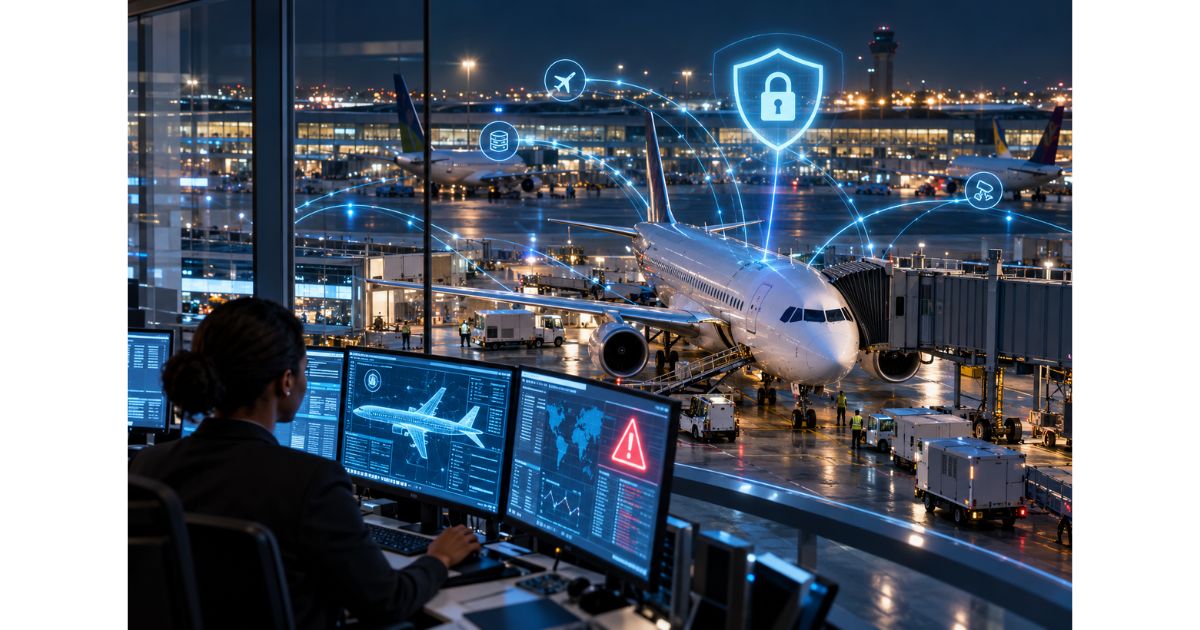
Could AI Have Prevented 9/11? What AI Might Have Detected Before the Attacks
Could AI Have Prevented 9/11? What AI Might Have Detected Before the Attacks is a question that forces us to look at one of the darkest days in aviation history through the lens of technology we have today. On September 11, 2001, four commercial aircraft were hijacked in the United States. The attacks killed thousands of people and fundamentally changed aviation security, intelligence gathering and the way the world thinks about terrorism. Twenty five years later, artificial intelligence can analyse enormous amounts of information, identify patterns and detect relationships that might be difficult for humans to see. So it is reasonable to ask: Could AI have prevented 9/11? The honest answer is that we will never know. AI cannot be placed into the events of 2001 and tested against what happened. There is also no evidence that an AI system would definitely have stopped the attacks. But the question is still worth exploring. Because the official investigations into 9/11 revealed something particularly important: warning signs existed, but information was not always connected, shared or acted upon effectively. That creates a fascinating question for the age of artificial intelligence. What if technology capable of connecting those pieces of information had existed at the time? What Happened on September 11, 2001? The morning of September 11 began like an ordinary working day. The 9/11 Commission Report records that the weather across the eastern United States was clear and suitable for flying. Passengers boarded four commercial flights that would ultimately be hijacked. American Airlines Flight 11 and United Airlines Flight 175 departed from Boston. American Airlines Flight 77 departed from Washington. United Airlines Flight 93 departed from Newark. Within hours, the United States had experienced an unprecedented terrorist attack involving commercial aircraft. The consequences changed aviation permanently. Cockpit security changed. Passenger screening changed. Intelligence sharing changed. Emergency procedures changed. And the relationship between aviation and national security changed forever. But one question has remained particularly difficult: Could AI have prevented 9/11? To explore that question properly, we need to look at what happened before the aircraft were hijacked. The Warning Signs Were Not Completely Invisible One of the most important lessons from the 9/11 Commission is that the United States did receive information about the growing threat from al Qaeda before September 11. The problem was not simply that there was no information. There was a problem with connecting information. The Commission found that intelligence agencies had information concerning terrorist activity, including information related to flight training. For example, an FBI communication known as the Phoenix Memo warned in July 2001 about radical Middle Eastern individuals attending flight schools. The Commission also noted earlier FBI efforts to assess whether terrorists might use flight training. That is where the question could AI have prevented 9/11 becomes much more interesting. Imagine having a system capable of examining information from different agencies and asking: ‘Are these apparently unrelated pieces of information actually connected?’ That is one of the things modern AI and advanced data analytics can potentially help humans investigate. But there is an important distinction. Finding a connection does not automatically mean finding a terrorist. What Could AI Have Looked For? If we imagine today’s AI capabilities being available in 2001, we can identify several categories of information that might have been useful for investigation. This does not mean AI would have identified the attackers with certainty. It means an AI system could potentially have helped humans notice patterns that deserved closer attention. 1. Flight Training Patterns The 9/11 Commission identified flight training as an important missed indicator. The Commission’s report specifically said that the intelligence community did not develop indicators for this method of attack. One potential indicator would have been terrorists pursuing flight training to operate large aircraft. So could AI have prevented 9/11 by identifying unusual flight training patterns? Potentially, it could have helped investigators identify patterns requiring further investigation. For example, an analytical system could potentially have examined information about individuals receiving particular types of aviation training and compared it with other available intelligence. But that would not mean: ‘This person is a terrorist.’ It would mean: ‘There is an unusual pattern here. Someone should investigate.’ That difference is critical. 2. Connecting Intelligence From Different Agencies This may be the most important part of the entire discussion. The 9/11 Commission found that information was not always effectively shared between agencies. The Commission noted that information about the Phoenix Memo was not passed to FAA headquarters and described the domestic terrorist threat picture as a serious blind spot. So when we ask could AI have prevented 9/11, we should not imagine an AI sitting at an airport security checkpoint. We should imagine a system operating much more broadly. It could potentially help analysts compare information from multiple sources. For example: Intelligence information Travel information Flight training information Known associates Previous investigations Other relevant records Individually, these pieces might not mean much. Together, they could potentially create a pattern worth investigating. This is one of the reasons data integration is so important in modern cybersecurity and national security. 3. Could AI Have Connected the Dots? This is where artificial intelligence becomes particularly fascinating. Humans are very good at understanding context. But humans can also become overwhelmed when information is scattered across thousands of records. AI can process enormous amounts of information quickly. Imagine an investigator has 10,000 records. Reading all of them manually could take an enormous amount of time. An AI system could potentially analyse those records and identify relationships such as: Person A appears in one database. Person B is connected to Person A. Both have connections to a particular location. One has aviation training. Another appears in an intelligence report. None of these facts individually proves anything. But the relationship between them might deserve human attention. This is why could AI have prevented 9/11 is ultimately a question about more than artificial intelligence. It is a question about information sharing and human decision making. But There Was Already Technology
How AI Could Detect an Airline Cyberattack Before Flights Are Grounded
How AI could detect an airline cyberattack before flights are grounded. Imagine arriving at the airport for your flight and seeing something you never expected. Your flight has been cancelled. The airline’s systems are experiencing problems. Staff are struggling to access information. Passengers are gathering around departure screens, trying to understand what has gone wrong. There is no storm outside. There is no aircraft mechanical problem. The disruption started inside a computer system. This is no longer just a science fiction scenario. In July 2025, a cyberattack on Russia’s Aeroflot disrupted the airline’s operations and resulted in more than 100 cancelled flights, with many others delayed. The incident raises an important question for the future of aviation: Could AI detect an airline cyberattack before flights are grounded? The answer is not as simple as saying yes or no. But AI in aviation cybersecurity could become an important part of how airlines identify suspicious activity before a digital threat becomes an operational crisis. The Aeroflot Cyberattack: When a Digital Problem Became an Aviation Problem On July 28, 2025, Aeroflot experienced a major disruption to its computer systems. The Russian Prosecutor’s Office later confirmed that the disruption was caused by a cyberattack and opened a criminal investigation. The Associated Press reported that more than 100 flights were cancelled, while other flights experienced significant delays. The disruption also affected Aeroflot subsidiaries Rossiya and Pobeda. Two hacking groups, Silent Crow and the Belarusian Cyber Partisans, claimed responsibility for the attack. Reuters reported that the groups claimed to have carried out a long term intrusion into Aeroflot’s network, although some of their claims could not be independently verified. For passengers, however, the technical details were probably less important. They simply saw the consequences. Flights were cancelled. Flights were delayed. Travel plans were disrupted. And that is what makes the Aeroflot incident such an important case study when we talk about AI in aviation cybersecurity. It shows that a cyberattack does not have to involve an aircraft flying through the sky before passengers can feel its impact. A problem inside an airline’s digital infrastructure can eventually become a problem at the airport. How Can a Cyberattack Ground an Airline? When most people hear the word “cyberattack,” they may imagine someone trying to take control of an aircraft. That is only one possible concern. Modern airlines depend on a huge collection of digital systems. Passenger information. Flight schedules. Employee accounts. Internal communications. Operational systems. Networks. Databases. Airport connections. When these systems are disrupted, airline operations can be affected. This is one reason AI in aviation cybersecurity is becoming increasingly important. An airline does not necessarily need every aircraft to be hacked before passengers experience disruption. If critical systems become unavailable or cannot be trusted, the airline may have to slow down, change or temporarily suspend certain activities while the situation is investigated. That is what makes cybersecurity an aviation issue rather than simply an IT issue. So Where Does AI Come In? This is where AI in aviation cybersecurity becomes particularly interesting. Think about a cybersecurity team monitoring an airline’s digital environment. There could be thousands or even millions of pieces of activity taking place. People are logging into systems. Computers are communicating with other computers. Data is being transferred. Applications are making requests. Employees are accessing information. Most of this activity is completely normal. But hidden somewhere within all that activity could be something unusual. A compromised account. An unfamiliar connection. A sudden change in behaviour. An unusual amount of data being accessed. A system communicating with something it normally never communicates with. A human might miss the warning sign because there is simply too much information to examine manually. AI in aviation cybersecurity could help by analysing large amounts of activity and identifying patterns that deserve closer attention. AI Could Look for What Doesn’t Look Normal One of the most useful concepts to understand is anomaly detection. You do not necessarily have to tell an AI system exactly what a cyberattack looks like. Instead, the system can learn what normal behaviour looks like and flag activity that appears unusual. Imagine an airline employee normally logs into a particular system between 8 a.m. and 5 p.m. One day, that account suddenly logs in at 3 a.m. The account then accesses information it has never accessed before. It begins communicating with an unfamiliar system. Individually, each event might have a harmless explanation. But together, they could form a pattern. This is where AI in aviation cybersecurity could help a security team notice something that deserves investigation. The AI is not necessarily saying: ‘This is definitely a hacker.’ It is saying: ‘This behaviour is unusual. Take a closer look’. That difference is extremely important. Could AI Have Prevented the Aeroflot Disruption? We need to be careful here. There is no evidence that allows us to say that AI in aviation cybersecurity would definitely have prevented the Aeroflot attack. We also cannot say that AI would certainly have detected the attackers earlier. The public information about the attack does not give us enough evidence to make that claim. What the Aeroflot case does show is why earlier detection matters. Reuters reported that the groups claiming responsibility said they had been inside Aeroflot’s network for an extended period. Those claims could not all be independently verified. If suspicious activity is detected while an attacker is still inside a network, cybersecurity professionals may have more opportunity to investigate and respond. That is the potential value of AI in aviation cybersecurity. AI could potentially help identify unusual patterns earlier. It could potentially reduce the amount of activity that security teams have to examine manually. And it could potentially give humans an earlier warning. But ‘could’ is the important word. AI is not a magic shield. What Would AI Actually Look For? To understand AI in aviation cybersecurity, forget the complicated technical terminology for a moment. Think about a security guard watching an airport. The guard knows what normal behaviour looks like.