Can fake boarding passes and QR codes put air travellers at risk? Absolutely. As air travel becomes increasingly digital, passengers rely on mobile boarding passes, QR codes, airline applications and online travel services. These technologies make travelling more convenient, but they can also create opportunities for cybercriminals to deceive passengers, steal personal information and exploit trust in digital systems. Imagine you are at the airport, preparing to board your flight. You receive a message that appears to come from your airline. It tells you that your boarding pass has changed and asks you to scan a QR code to download an updated version. You scan the code, and a familiar looking airline website opens. It asks you to enter your booking reference, email address and password. Everything looks legitimate, so you provide the information. But what if the website belongs to a criminal rather than your airline? This is one example of how digital travel scams can work. A QR code is not automatically dangerous, and a digital boarding pass is not inherently unsafe. The risk comes from how criminals may manipulate these technologies to trick people. In this article, we will explore five digital security risks involving boarding passes and QR codes, how passengers can protect themselves, and how artificial intelligence (AI) can help airlines and security teams identify suspicious activity. 1. Fake Boarding Passes That Look Genuine A boarding pass contains information that helps an airline identify a passenger’s journey. Depending on the format, it may include the passenger’s name, flight number, departure details, seat information and a machine readable barcode. The International Air Transport Association (IATA) maintains standards for barcoded boarding passes used in air travel. These standards help different airline and airport systems process boarding information consistently. However, a convincing looking image of a boarding pass is not the same as a valid travel credential. A criminal could create a fake boarding pass image or alter a screenshot to make it appear genuine. Someone might also share a misleading document to trick a passenger into believing that a flight reservation has been confirmed. The danger is not that every fake boarding pass can get someone through airport security. Airports and airlines use verification procedures, and a copied image alone does not establish that its holder is eligible to travel. The risk is that a convincing fake could confuse a passenger, encourage them to share personal information or cause unnecessary problems during their journey. How AI can help AI can support document fraud detection by identifying unusual patterns in submitted documents, comparing relevant information and flagging inconsistencies for review. For example, a system might identify discrepancies between information on a submitted document and information retrieved from an authorised booking system. AI can also help security teams analyse suspicious booking activity or detect repeated attempts to misuse an account. However, AI cannot guarantee that every fake document will be identified. A legitimate boarding pass must still be verified through the airline’s authorised systems and established procedures. Remember: If you are unsure whether your boarding pass is genuine, open your airline’s official application or website directly, or contact the airline through its verified customer service channel. 2. Malicious QR Codes That Steal Your Information QR codes are common in modern travel. Passengers may use them to access airline applications, check in online, view travel information or retrieve digital documents. But a QR code is simply a way of encoding information. It does not automatically prove that the destination is safe. Cybercriminals can create QR codes that direct people to fraudulent websites. This technique is known as quishing, meaning QR code phishing. The United States Postal Inspection Service explains that criminals may use QR codes in messages or physical locations to direct victims to websites designed to steal personal or financial information. Imagine seeing a notice that says your flight details need urgent confirmation. The notice includes a QR code and a familiar airline logo. After scanning it, you land on a fake website that asks for your airline login details or payment information. If you enter them, the criminal may be able to use that information to attempt account access or financial fraud. This is why fake boarding passes and QR codes deserve attention. A scam does not need to bypass an airport’s boarding controls to cause harm. It may succeed simply by persuading a passenger to trust a fraudulent website. How AI can help AI can help cybersecurity systems identify suspicious web addresses, recognise patterns associated with phishing and analyse messages that resemble known scams. For example, a security system may flag a website whose address resembles an airline’s official domain but contains unusual spelling or other suspicious characteristics. AI supported email security tools may also identify messages that combine urgent language, suspicious links and unusual sender behaviour. When integrated into a security platform, these systems can help block known malicious destinations or alert security teams to investigate potentially dangerous activity. However, not every airline or airport uses the same AI capabilities, and criminals can create new websites that have not previously been identified. Passengers should never assume that a QR code is safe simply because it appears on a professional looking notice. 3. Fake Airline Messages Asking You to Scan a QR Code Imagine receiving a text message shortly before departure. It says your flight has been rescheduled and that you must scan a QR code to confirm your new departure time. The message creates urgency. You do not want to miss your flight, so you act quickly. This is a common principle behind phishing scams: criminals use situations that matter to their victims to encourage rushed decisions. Air travel provides several opportunities for this type of deception. Passengers may be worried about flight changes, baggage fees, booking problems, seat assignments or missed connections. A fraudulent message could imitate an airline’s branding and ask the passenger to visit a fake website, provide login credentials or make a payment. The message might arrive through email, SMS or
Can Hackers Attack an Airport Without Touching an Aircraft? 5 Cybersecurity Risks and How AI Helps Alert Systems
Can hackers attack an airport without touching an aircraft? Yes. An airport depends on a network of connected digital systems that support passenger check in, baggage handling, flight information, building operations and communication. A cyberattack against these systems could disrupt airport services even if no aircraft is directly targeted. Imagine arriving at the airport for an important journey. You have your ticket, your passport and your luggage. But when you reach the check in area, the screens stop updating. Passengers begin asking questions. Staff members are trying to understand what has happened, and departure information is no longer appearing as expected. Your first thought might be that the airport has a technical problem. However, what if the disruption began with a cyberattack against one of the airport’s digital systems? This is why can hackers attack an airport without touching an aircraft is an important question in modern aviation cybersecurity. Airports are becoming increasingly dependent on connected technology, and protecting aviation now involves much more than protecting aircraft themselves. The International Civil Aviation Organization (ICAO) recognises that cybersecurity affects the wider aviation sector because of its interconnected systems and dependence on digital infrastructure. In this article, we will explore five cybersecurity risks airports face and how AI powered alert systems could help detect suspicious activity before a problem becomes more serious. 1. Can Hackers Attack an Airport Without Touching an Aircraft Through Digital Information Screens? Think about the flight information screens you see when you enter an airport. They tell passengers which flights are departing, where to check in and whether a flight is delayed. These screens depend on digital systems that receive and display information. If an attacker compromises a system responsible for providing that information, passengers could receive incorrect information or stop receiving updates. Depending on how the systems are designed and protected, a disruption could create confusion and increase pressure on airport staff. This does not mean that every screen is directly connected to every airport system. Airports use different technical arrangements, and the impact of an incident depends on the systems involved. Nevertheless, digital information services are part of the airport’s wider technology environment. How AI could help AI powered security monitoring tools can analyse activity across supported networks and systems. They may identify unusual access attempts, unexpected changes or communication patterns that differ from normal behaviour. For example, imagine a digital information system suddenly receives unusual instructions from an account that does not normally access it. A security monitoring tool could flag that activity for investigation. The alert would not automatically prove that a hacker was responsible. It would give the airport’s security team a reason to investigate before assuming everything was normal. This is one way AI could help answer the question: can hackers attack an airport without touching an aircraft, and how might suspicious activity be noticed? 2. Can Hackers Attack an Airport Without Touching an Aircraft Through Check In and Baggage Systems? Passengers often associate airport technology with check in kiosks, boarding passes, baggage tags and luggage tracking. Behind these familiar services are digital applications, databases and connections between different service providers. If a system supporting check in or baggage processing becomes unavailable, the airport may need to use alternative procedures. Depending on the nature and extent of the disruption, passengers could experience longer queues, delayed baggage processing or changes to the boarding process. A cyberattack is only one possible cause of such problems. Hardware failures, software errors and network outages can also disrupt services. The cybersecurity concern is that an attacker might deliberately exploit a weakness in one of these systems. How AI could help AI based anomaly detection can help security teams identify behaviour that does not match normal system activity. For example, a monitoring system might flag an unusual volume of failed logins, unexpected access to sensitive records or an account behaving differently from its established pattern. Security teams can investigate the alert, verify whether the activity is authorised and take appropriate action if a threat is confirmed. AI can also help analysts examine large volumes of security logs that would be difficult to review manually. However, AI does not guarantee that an attack will be detected. The system needs access to useful data, appropriate configuration and regular testing. It must also be supported by trained people who can investigate and respond to alerts. 3. Can Hackers Attack an Airport Without Touching an Aircraft Through Public Wi Fi? Airport Wi Fi is convenient. Passengers use it to check flight updates, send messages, contact family members and download entertainment while waiting to board. But public internet access introduces cybersecurity considerations for both travellers and airport operators. Cybercriminals may create fake Wi Fi networks, use phishing pages to collect login details or attempt to exploit weaknesses in connected services. These activities do not necessarily mean the airport’s own network has been compromised. The important distinction is that public Wi Fi risks and attacks against airport operational systems are not the same thing. A passenger connecting to an unsafe network is facing a different risk from an attacker compromising an airport’s internal technology. Airport operators must therefore protect their own networks while helping passengers understand how to stay safe online. How AI could help AI powered security tools can analyse supported network traffic and look for suspicious patterns, such as unusual connections, abnormal data transfers or behaviour associated with known threats. If a monitoring system detects activity that meets its alert criteria, it can notify security personnel for investigation. But AI cannot automatically identify every fake Wi Fi network or prevent every phishing attempt. Detection depends on the information available to the system, the quality of its models and the security controls around it. Passengers should still avoid entering sensitive information into unfamiliar websites, verify network names with official airport information and use secure connections when accessing important accounts. The lesson is simple: AI can strengthen cybersecurity, but it cannot replace sensible security practices. 4. Can Hackers Attack an Airport Without Touching
What Happens to Your Data After You Leave the Plane? 5 Things Passengers Should Know
What happens to your data after you leave the plane? You collect your luggage, leave the airport and continue with your life. Your flight is over. But your digital journey may not be over. Somewhere in the systems used to manage your trip, there may still be records connected to your journey. Your name, booking information, travel dates, contact details, loyalty account information and other passenger details may have been collected during the booking and travel process. So, what happens to your data after you leave the plane? It depends on the airline, the type of information collected, why it was collected and the laws that apply to the organisation handling it. The important thing for passengers to understand is that your physical journey can end long before your digital journey does. Your Flight Has Ended, But Your Data May Still Exist Think about everything that happens before you board a flight. You search for a ticket. You create a booking. You enter your personal information. You pay for the ticket. You check in. You receive a boarding pass. You pass through the airport. Your baggage is processed. All of these activities can create digital records. That is why what happens to your data after you leave the plane is an important question in modern air travel. Your information does not necessarily disappear simply because your aircraft has landed. Instead, some information may be retained because the airline or another organisation needs it for legitimate business, operational, security, legal or regulatory reasons. But that does not mean an airline should keep everything forever. Data protection principles generally encourage organisations to collect only the information they need and retain personal information only for as long as necessary for its purpose, subject to applicable laws and requirements. So what happens to your data after you leave the plane depends partly on why the information was collected in the first place. 1. Your Booking Information May Still Be Stored Your flight may have lasted six hours. Your booking record can exist for much longer. Airlines need booking information to manage reservations, handle changes, provide customer service and maintain records. Your booking may contain information such as: This means what happens to your data after you leave the plane is not necessarily the same as what happens to your boarding pass. The boarding pass may no longer be useful to you. But the airline may still need certain booking information for legitimate purposes. For example, you may contact customer service weeks later because of a baggage problem or request information about a previous journey. The airline may need records to investigate the issue. This is one reason passengers should not assume that their information disappears immediately after landing. 2. Your Travel Information May Be Shared With Other Systems An airline does not always operate alone. Your journey can involve airports, payment providers, baggage services, ground handling companies, government authorities and other organisations. Different organisations may need certain information to perform their role. This makes what happens to your data after you leave the plane more complicated than simply asking what the airline does with it. Your information may have been processed by several systems during your journey. For example, your booking information may have been used to manage your reservation. Your passenger information may have been needed for travel or security requirements. Your payment information may have been processed through a payment provider. Your baggage information may have been used to help track your luggage. These different systems do not necessarily mean everyone has access to everything about you. Access should be limited according to the purpose and responsibilities of the organisation involved. But it shows why passenger data can become part of a much larger digital travel ecosystem. 3. Your Information May Be Kept for Legal or Security Reasons This is an important part of understanding what happens to your data after you leave the plane. Sometimes an organisation may need to keep information because regulations or legal obligations require it. A passenger might think: “My flight is finished, so delete everything.” But an airline may have legitimate reasons for retaining certain records. Some information may be needed for accounting. Some may be required for regulatory purposes. Some may be necessary for security or operational records. Some may be needed to resolve complaints or disputes. The exact retention period depends on the type of information, the organisation and the laws that apply. This means there is no single answer to the question what happens to your data after you leave the plane. Different types of information can have different retention periods. Your airline should also have privacy information explaining how it handles personal data and, where applicable, how long different categories of information are retained. 4. Your Old Airline Account Can Still Contain Your Information What happens if you have not flown with an airline for three years? Your account may still exist. Many passengers create airline accounts to manage bookings, collect loyalty points or receive travel offers. Over time, that account can accumulate information. Your name. Your email address. Your phone number. Your loyalty activity. Your previous bookings. Your preferences. This is another important part of what happens to your data after you leave the plane. Your physical journey may have ended, but your digital relationship with the airline could continue. This is why passengers should occasionally review the accounts they have created with airlines and travel companies. If you no longer use an account, check whether the organisation provides options to close it or manage your personal information. You should also make sure your password is strong and unique. If two factor authentication is available, consider enabling it. Remember, an old account can still contain valuable information even if you have not used it for years. 5. Your Data Could Become a Cybersecurity Target Now we reach the part passengers often overlook. The information stored by airlines has value. Your name and contact information have value. Your travel history can

Can Hackers Steal Your Data When You Book a Flight? 5 Ways Your Travel Information Can Be Targeted
Can hackers steal your data when you book a flight? Most passengers probably do not think about cybersecurity when they are searching for a cheap ticket, entering their name and passport details, or paying for a flight. You are thinking about your destination. You are thinking about your luggage. You are thinking about whether you chose the right seat. But while you are planning your journey, you are also creating a digital trail. Your name. Your email address. Your phone number. Your travel dates. Your destination. Your booking reference. Sometimes your passport information. So, can hackers steal your data when you book a flight? Unfortunately, your travel information can become a target if the systems handling it are poorly protected or successfully attacked. This does not mean you should stop booking flights online. It means passengers need to understand what happens to their information after they click Pay. What information do you give an airline when booking a flight? Think about the last time you booked a flight. You probably entered some combination of: You may also create an airline account so you can manage your booking later. All of this information has value. Your travel information can tell someone where you are going, when you are travelling and how they might contact you. That is why can hackers steal your data when you book a flight? is an important question for every modern traveller. The answer is yes, there are several ways your information could potentially be targeted. 1. Hackers could target airline customer databases Imagine that you have booked your flight several weeks in advance. You have received your confirmation email and completely forgotten about the booking. Behind the scenes, however, the airline still has your information stored in its systems. Airlines need passenger information to manage reservations, check in, customer service and other parts of the travel journey. This makes airline databases attractive targets for cybercriminals. If attackers gain unauthorised access to a database, they may be able to steal information belonging to many passengers. This is one reason can hackers steal your data when you book a flight? cannot be answered simply by looking at how secure the airline’s website appears. There are many systems behind the website. A passenger may see a simple booking page. Behind that page could be databases, applications, payment services and other connected systems. The more information an organisation stores, the more important protecting that information becomes. 2. Your travel information could be exposed in a data breach A data breach happens when information is accessed, exposed or stolen without permission. You may have heard about companies announcing that customer information has been exposed after a cyberattack. Airlines can face similar risks. Imagine waking up one morning and receiving an email saying: “We are contacting you because some customer information may have been accessed.” Suddenly, the information you provided when booking your flight may no longer be private. This is another reason can hackers steal your data when you book a flight? deserves attention. The danger is not always that someone immediately steals money from your bank account. The information itself can be valuable. Your name combined with your email address, travel plans and other personal details could potentially be used to create convincing scams. And that brings us to another danger. 3. Hackers could use your travel information for phishing scams This is where things can become surprisingly personal. Imagine receiving an email that says: Your flight has been cancelled. Click here to confirm your new booking. The email contains your name. It mentions your destination. It even appears to know your travel date. You might immediately think: This must be from my airline. But what if it isn’t? Cybercriminals can use stolen or publicly available information to make phishing messages appear more believable. This is one reason can hackers steal your data when you book a flight? is not only about the original theft. The bigger concern can be what happens after information has been stolen. Someone could potentially use travel details to create a more convincing scam. They might pretend to be an airline representative, travel company or payment service. This is why passengers should be careful when receiving unexpected messages about their flights. Do not automatically click a link simply because the message contains information about your journey. Instead, open the airline’s official website or app yourself and check your booking there. 4. Your airline account could become a target Many passengers create airline accounts so they can manage bookings, collect loyalty points and save their personal information. That makes your airline account another important part of your digital travel identity. So, can hackers steal your data when you book a flight? They may also target the account you use to manage that flight. Imagine someone gets access to your airline account. Depending on what the account contains and what the airline allows customers to do, the attacker could potentially access personal information, booking details or loyalty information. This is why your airline account deserves the same attention you give your email and banking accounts. Use a strong password. Do not reuse the same password across multiple websites. If the airline offers two factor authentication, consider using it. And never share your password with someone claiming to be an airline employee. 5. Your payment information could become a target There is another obvious question passengers ask: What about my card information? When you buy a flight online, you expect your payment information to be protected. Airlines and payment providers use security measures to protect financial transactions, but no digital system should be treated as completely risk free. A cyberattack can target different parts of the payment process, depending on the systems involved. This is another reason can hackers steal your data when you book a flight? requires more than a simple yes or no. There are multiple systems involved in an online purchase. Your airline may use external payment providers and other technology companies to process
What Can a Cyberattack Do to an Airline? 7 Systems Hackers Could Disrupt
What can a cyberattack do to an airline? More than many passengers realise. An airline is not just an aircraft, a cockpit and a team of people. Behind every flight is a huge digital ecosystem supporting reservations, check in, baggage, crew planning, flight operations, passenger information and many other processes. That means a cyberattack does not necessarily have to affect an aircraft directly to cause serious disruption. If the digital systems supporting an airline stop working, passengers can feel the consequences very quickly. So, what can a cyberattack do to an airline? It can disrupt individual services, expose sensitive information, delay operations and, in some circumstances, create wider safety and security concerns. Why Are Airlines Attractive Targets? Airlines process enormous amounts of valuable information and depend on interconnected technology. Passenger records, payment information, travel details, employee accounts and operational data can all be valuable to criminals. The International Civil Aviation Organization identifies several airline systems as potential cyber targets, including reservation systems, passenger information systems, departure control systems, mobile applications, flight planning, baggage reconciliation and crew planning. The European Union Agency for Cybersecurity has also identified data related threats, ransomware and malware among important cyber threats facing aviation. ENISA notes that airline customer data and proprietary information are attractive targets. This interconnected environment explains why what can a cyberattack do to an airline is becoming an increasingly important question. 1. A Cyberattack Could Disrupt Airline Booking System Imagine trying to book a flight and suddenly the airline website stops working. You try again. Nothing. You open the airline app and receive an error. A booking system is one of the most visible digital services an airline provides. If it becomes unavailable, passengers may not be able to make reservations, change flights or access certain booking services. ICAO specifically identifies airline reservation systems as potential targets for denial of service and identity spoofing attacks. This means that what can a cyberattack do to an airline can begin before a passenger even reaches the airport. The attack could affect the digital doorway through which customers interact with the airline. And because booking systems can connect with other parts of an airline’s operation, disruption may have consequences beyond the website itself. 2. A Cyberattack Could Disrupt Check In and Boarding The next problem could appear at the airport. Passengers may arrive expecting to check in normally, only to discover that the airline’s digital systems are unavailable. The Departure Control System is particularly important because it supports processes associated with passenger handling and boarding. ICAO identifies the Departure Control System as a potential cyber target and highlights risks including denial of service and identity spoofing. This is not simply an inconvenience. If systems become unavailable, airport staff may need to use alternative procedures while the airline works to restore normal operations. We have already seen how disruption to aviation check in infrastructure can affect large numbers of passengers. In September 2025, a ransomware attack affecting a provider of airport check in and baggage drop systems caused disruption at several European airports. Reuters reported that the incident affected airports including Heathrow and Brussels and stranded passengers. https://www.reuters.com/en/cyberattack-causes-flight-delays-cancellations-brussels-airport-2025-09-20/ That example shows why what can a cyberattack do to an airline is not an abstract cybersecurity question. Digital disruption can quickly become a passenger experience problem. 3. A Cyberattack Could Interfere With Baggage Systems Your suitcase may look like a simple piece of luggage, but behind the scenes there is a significant digital process helping it move from check in to the aircraft and eventually to baggage reclaim. Baggage systems can involve tracking, reconciliation and information exchange. ICAO identifies baggage reconciliation as a potential cyber target and notes the security implications of unauthorised or unscreened baggage being loaded onto an aircraft. So, what can a cyberattack do to an airline when baggage systems are affected? It could make it harder for airline and airport personnel to know what is happening to baggage, potentially creating delays, manual work and additional security checks. This is one reason baggage technology is more than a convenience. It is part of the operational and security ecosystem surrounding a flight. 4. A Cyberattack Could Disrupt Flight Operations This is where the consequences become more serious. Airlines depend on digital systems to support many parts of their operation. Flight planning is one example. ICAO identifies flight planning systems as potential cyber targets and notes that interference could affect aircraft operations across a wider system. This does not mean hackers can simply take control of an aircraft because an airline system has been attacked. That would be an inaccurate and overly simplistic description of aviation cybersecurity. Modern aviation uses multiple layers of systems, procedures and human oversight. However, disruption to supporting systems can still create operational problems. So, what can a cyberattack do to an airline at the operational level? It could make it harder for teams to access information, coordinate activities and keep flights moving efficiently. That could contribute to delays, cancellations or the need to switch to manual processes. The aviation industry is particularly sensitive to this type of disruption because one delayed operation can have consequences for later flights. 5. A Cyberattack Could Expose Passenger Data There is another side to aviation cybersecurity that passengers should care about. Your airline may hold information about your name, contact details, travel itinerary, passport information, loyalty account and other personal information. A cyberattack targeting passenger databases could potentially expose sensitive information. ENISA has identified data related threats as one of the prominent cyber threats affecting aviation and has documented incidents involving stolen airline passenger information. This is why what can a cyberattack do to an airline is not only about cancelled flights. It can also be about your personal information. A successful data breach can create risks long after the aircraft has landed. Stolen information can potentially be used for fraud, phishing, identity theft or targeted scams. For passengers, cybersecurity therefore affects more than the airport experience. It can also affect digital privacy. 6.
Why Are Flights Delayed Even When AI Predicts Them?
Why are flights delayed even when AI predicts them? If artificial intelligence can analyse weather, aircraft movements, airport congestion and other information, it may seem strange that an airline can know a delay is coming and still not be able to stop it. But predicting a problem and preventing a problem are two different things. Imagine checking your airline app before leaving home. It says your flight has a high chance of being delayed. You arrive at the airport and, a few hours later, the delay happens exactly as predicted. You might wonder: If AI knew this was going to happen, why didn’t the airline prevent it? The answer is that AI can provide a warning, but it cannot control every part of an aviation operation. AI Can Predict a Delay Without Being Able to Stop It Modern AI systems can analyse large amounts of information and look for patterns that may indicate a delay. Research published in 2026 reviewed 72 studies on machine learning and flight delay prediction. The review found that AI models can achieve strong predictive performance, particularly when they use information such as weather and operational data. It also highlighted an important problem: uncertainty and real world deployment remain challenges. This explains why ‘why are flights delayed even when AI predicts them’ is such an interesting question. An AI system might say: “There is an 80 percent chance that this flight will be delayed.” That does not mean the system has found a way to prevent the delay. It simply means the available data suggests that a delay is likely. The airline still has to decide what to do with that information. Prediction Is Not the Same as Prevention Think about a weather app. If your weather app tells you that heavy rain will arrive at 5 pm, knowing about the rain does not give you the power to stop it. You can take an umbrella. You can leave home earlier. You can change your plans. But you cannot stop the rain. The same idea applies to aviation. AI can warn an airline about a possible problem. The airline can then look for ways to reduce the impact. But some problems are outside the airline’s control. That is one of the main answers to why are flights delayed even when AI predicts them. Weather Can Still Cause a Delay Weather is one of the biggest causes of flight delays. According to the FAA, weather accounted for 74.26 percent of system impacting delays of more than 15 minutes in the United States between June 2017 and May 2023. And weather does not have to be bad at your departure airport. Your flight could be delayed because of weather at the destination airport or somewhere along the route. For example, imagine you are waiting for a flight in Lagos and the weather is perfectly clear. Your flight could still be delayed because thunderstorms are affecting the destination airport. The FAA explains that aircraft may have to avoid thunderstorms, use different routes, hold before landing or divert to another airport when severe weather affects operations. So why are flights delayed even when AI predicts them? Because AI can predict the weather related risk, but the aircraft still has to operate within safe limits. Safety comes before punctuality. Air Traffic Can Make the Problem Bigger Even when an airline knows bad weather is coming, it may not have complete freedom to change everything. Airspace has limited capacity. Airports also have limited runways, gates and arrival and departure slots. When too many aircraft need to use the same airspace or airport at the same time, traffic management becomes necessary. The FAA’s Flow Management Data and Services platform uses flight plans, airline schedules and real time aircraft positions to project congestion in advance. The goal is to improve traffic flow and reduce delays. But even with advanced technology, there may simply be too many aircraft competing for limited capacity. This is another reason why are flights delayed even when AI predicts them. The technology may see the problem clearly, but there may not be enough capacity to remove it completely. Your Aircraft May Already Be Late Here is another reason passengers often experience delays. The aircraft assigned to your flight may still be operating another flight. For example: Flight 1: Lagos to Accra Flight 2: Accra to Lagos If Flight 1 arrives late in Accra, Flight 2 may also leave late. The original delay has now moved to another flight. This is often called delay propagation. It is one of the reasons why are flights delayed even when AI predicts them can be difficult to answer with one simple explanation. AI may know that the incoming aircraft is late. But the airline may not have another aircraft available. Changing aircraft may also create other problems elsewhere in the schedule. A decision that solves one delay could create another. Crew Availability Can Also Cause Delays Aircraft are not the only things airlines have to manage. They also need pilots and cabin crew. Flight crew members have rules covering their working hours, rest and other operational requirements. If an earlier flight becomes very late, the crew scheduled for a later flight may no longer be able to operate it within the applicable limits. AI may identify this problem hours before it happens. But the airline still needs to find a practical solution. That could involve another qualified crew, a schedule change or another operational decision. This is another important answer to why are flights delayed even when AI predicts them. Knowing that a problem is coming does not automatically mean there is an available solution. Maintenance Problems Can Appear Unexpectedly AI can also be used to support predictive maintenance. Instead of waiting for a problem to become obvious, AI can analyse aircraft data and look for unusual patterns. This could help maintenance teams investigate potential issues earlier. However, aircraft maintenance is not an area where an airline can simply say: “The AI says
Could AI Have Prevented 9/11? What AI Might Have Detected Before the Attacks
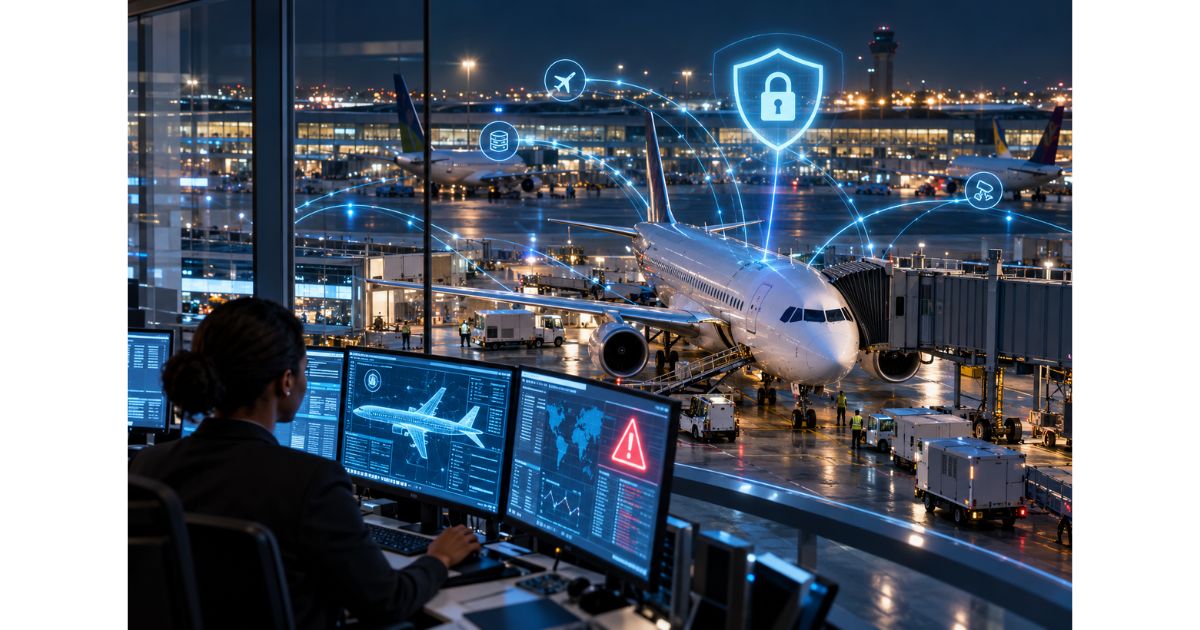
Could AI Have Prevented 9/11? What AI Might Have Detected Before the Attacks is a question that forces us to look at one of the darkest days in aviation history through the lens of technology we have today. On September 11, 2001, four commercial aircraft were hijacked in the United States. The attacks killed thousands of people and fundamentally changed aviation security, intelligence gathering and the way the world thinks about terrorism. Twenty five years later, artificial intelligence can analyse enormous amounts of information, identify patterns and detect relationships that might be difficult for humans to see. So it is reasonable to ask: Could AI have prevented 9/11? The honest answer is that we will never know. AI cannot be placed into the events of 2001 and tested against what happened. There is also no evidence that an AI system would definitely have stopped the attacks. But the question is still worth exploring. Because the official investigations into 9/11 revealed something particularly important: warning signs existed, but information was not always connected, shared or acted upon effectively. That creates a fascinating question for the age of artificial intelligence. What if technology capable of connecting those pieces of information had existed at the time? What Happened on September 11, 2001? The morning of September 11 began like an ordinary working day. The 9/11 Commission Report records that the weather across the eastern United States was clear and suitable for flying. Passengers boarded four commercial flights that would ultimately be hijacked. American Airlines Flight 11 and United Airlines Flight 175 departed from Boston. American Airlines Flight 77 departed from Washington. United Airlines Flight 93 departed from Newark. Within hours, the United States had experienced an unprecedented terrorist attack involving commercial aircraft. The consequences changed aviation permanently. Cockpit security changed. Passenger screening changed. Intelligence sharing changed. Emergency procedures changed. And the relationship between aviation and national security changed forever. But one question has remained particularly difficult: Could AI have prevented 9/11? To explore that question properly, we need to look at what happened before the aircraft were hijacked. The Warning Signs Were Not Completely Invisible One of the most important lessons from the 9/11 Commission is that the United States did receive information about the growing threat from al Qaeda before September 11. The problem was not simply that there was no information. There was a problem with connecting information. The Commission found that intelligence agencies had information concerning terrorist activity, including information related to flight training. For example, an FBI communication known as the Phoenix Memo warned in July 2001 about radical Middle Eastern individuals attending flight schools. The Commission also noted earlier FBI efforts to assess whether terrorists might use flight training. That is where the question could AI have prevented 9/11 becomes much more interesting. Imagine having a system capable of examining information from different agencies and asking: ‘Are these apparently unrelated pieces of information actually connected?’ That is one of the things modern AI and advanced data analytics can potentially help humans investigate. But there is an important distinction. Finding a connection does not automatically mean finding a terrorist. What Could AI Have Looked For? If we imagine today’s AI capabilities being available in 2001, we can identify several categories of information that might have been useful for investigation. This does not mean AI would have identified the attackers with certainty. It means an AI system could potentially have helped humans notice patterns that deserved closer attention. 1. Flight Training Patterns The 9/11 Commission identified flight training as an important missed indicator. The Commission’s report specifically said that the intelligence community did not develop indicators for this method of attack. One potential indicator would have been terrorists pursuing flight training to operate large aircraft. So could AI have prevented 9/11 by identifying unusual flight training patterns? Potentially, it could have helped investigators identify patterns requiring further investigation. For example, an analytical system could potentially have examined information about individuals receiving particular types of aviation training and compared it with other available intelligence. But that would not mean: ‘This person is a terrorist.’ It would mean: ‘There is an unusual pattern here. Someone should investigate.’ That difference is critical. 2. Connecting Intelligence From Different Agencies This may be the most important part of the entire discussion. The 9/11 Commission found that information was not always effectively shared between agencies. The Commission noted that information about the Phoenix Memo was not passed to FAA headquarters and described the domestic terrorist threat picture as a serious blind spot. So when we ask could AI have prevented 9/11, we should not imagine an AI sitting at an airport security checkpoint. We should imagine a system operating much more broadly. It could potentially help analysts compare information from multiple sources. For example: Intelligence information Travel information Flight training information Known associates Previous investigations Other relevant records Individually, these pieces might not mean much. Together, they could potentially create a pattern worth investigating. This is one of the reasons data integration is so important in modern cybersecurity and national security. 3. Could AI Have Connected the Dots? This is where artificial intelligence becomes particularly fascinating. Humans are very good at understanding context. But humans can also become overwhelmed when information is scattered across thousands of records. AI can process enormous amounts of information quickly. Imagine an investigator has 10,000 records. Reading all of them manually could take an enormous amount of time. An AI system could potentially analyse those records and identify relationships such as: Person A appears in one database. Person B is connected to Person A. Both have connections to a particular location. One has aviation training. Another appears in an intelligence report. None of these facts individually proves anything. But the relationship between them might deserve human attention. This is why could AI have prevented 9/11 is ultimately a question about more than artificial intelligence. It is a question about information sharing and human decision making. But There Was Already Technology
How AI Could Detect an Airline Cyberattack Before Flights Are Grounded
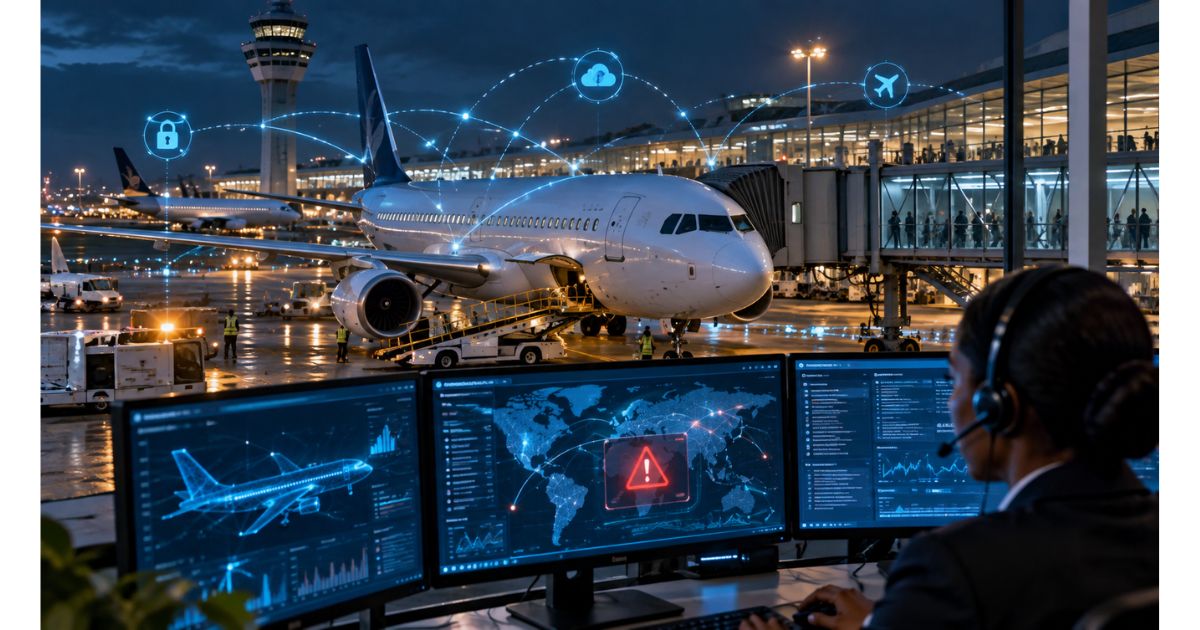
How AI could detect an airline cyberattack before flights are grounded. Imagine arriving at the airport for your flight and seeing something you never expected. Your flight has been cancelled. The airline’s systems are experiencing problems. Staff are struggling to access information. Passengers are gathering around departure screens, trying to understand what has gone wrong. There is no storm outside. There is no aircraft mechanical problem. The disruption started inside a computer system. This is no longer just a science fiction scenario. In July 2025, a cyberattack on Russia’s Aeroflot disrupted the airline’s operations and resulted in more than 100 cancelled flights, with many others delayed. The incident raises an important question for the future of aviation: Could AI detect an airline cyberattack before flights are grounded? The answer is not as simple as saying yes or no. But AI in aviation cybersecurity could become an important part of how airlines identify suspicious activity before a digital threat becomes an operational crisis. The Aeroflot Cyberattack: When a Digital Problem Became an Aviation Problem On July 28, 2025, Aeroflot experienced a major disruption to its computer systems. The Russian Prosecutor’s Office later confirmed that the disruption was caused by a cyberattack and opened a criminal investigation. The Associated Press reported that more than 100 flights were cancelled, while other flights experienced significant delays. The disruption also affected Aeroflot subsidiaries Rossiya and Pobeda. Two hacking groups, Silent Crow and the Belarusian Cyber Partisans, claimed responsibility for the attack. Reuters reported that the groups claimed to have carried out a long term intrusion into Aeroflot’s network, although some of their claims could not be independently verified. For passengers, however, the technical details were probably less important. They simply saw the consequences. Flights were cancelled. Flights were delayed. Travel plans were disrupted. And that is what makes the Aeroflot incident such an important case study when we talk about AI in aviation cybersecurity. It shows that a cyberattack does not have to involve an aircraft flying through the sky before passengers can feel its impact. A problem inside an airline’s digital infrastructure can eventually become a problem at the airport. How Can a Cyberattack Ground an Airline? When most people hear the word “cyberattack,” they may imagine someone trying to take control of an aircraft. That is only one possible concern. Modern airlines depend on a huge collection of digital systems. Passenger information. Flight schedules. Employee accounts. Internal communications. Operational systems. Networks. Databases. Airport connections. When these systems are disrupted, airline operations can be affected. This is one reason AI in aviation cybersecurity is becoming increasingly important. An airline does not necessarily need every aircraft to be hacked before passengers experience disruption. If critical systems become unavailable or cannot be trusted, the airline may have to slow down, change or temporarily suspend certain activities while the situation is investigated. That is what makes cybersecurity an aviation issue rather than simply an IT issue. So Where Does AI Come In? This is where AI in aviation cybersecurity becomes particularly interesting. Think about a cybersecurity team monitoring an airline’s digital environment. There could be thousands or even millions of pieces of activity taking place. People are logging into systems. Computers are communicating with other computers. Data is being transferred. Applications are making requests. Employees are accessing information. Most of this activity is completely normal. But hidden somewhere within all that activity could be something unusual. A compromised account. An unfamiliar connection. A sudden change in behaviour. An unusual amount of data being accessed. A system communicating with something it normally never communicates with. A human might miss the warning sign because there is simply too much information to examine manually. AI in aviation cybersecurity could help by analysing large amounts of activity and identifying patterns that deserve closer attention. AI Could Look for What Doesn’t Look Normal One of the most useful concepts to understand is anomaly detection. You do not necessarily have to tell an AI system exactly what a cyberattack looks like. Instead, the system can learn what normal behaviour looks like and flag activity that appears unusual. Imagine an airline employee normally logs into a particular system between 8 a.m. and 5 p.m. One day, that account suddenly logs in at 3 a.m. The account then accesses information it has never accessed before. It begins communicating with an unfamiliar system. Individually, each event might have a harmless explanation. But together, they could form a pattern. This is where AI in aviation cybersecurity could help a security team notice something that deserves investigation. The AI is not necessarily saying: ‘This is definitely a hacker.’ It is saying: ‘This behaviour is unusual. Take a closer look’. That difference is extremely important. Could AI Have Prevented the Aeroflot Disruption? We need to be careful here. There is no evidence that allows us to say that AI in aviation cybersecurity would definitely have prevented the Aeroflot attack. We also cannot say that AI would certainly have detected the attackers earlier. The public information about the attack does not give us enough evidence to make that claim. What the Aeroflot case does show is why earlier detection matters. Reuters reported that the groups claiming responsibility said they had been inside Aeroflot’s network for an extended period. Those claims could not all be independently verified. If suspicious activity is detected while an attacker is still inside a network, cybersecurity professionals may have more opportunity to investigate and respond. That is the potential value of AI in aviation cybersecurity. AI could potentially help identify unusual patterns earlier. It could potentially reduce the amount of activity that security teams have to examine manually. And it could potentially give humans an earlier warning. But ‘could’ is the important word. AI is not a magic shield. What Would AI Actually Look For? To understand AI in aviation cybersecurity, forget the complicated technical terminology for a moment. Think about a security guard watching an airport. The guard knows what normal behaviour looks like.
AI Cybersecurity in Aviation: Can Airlines Be More Vulnerable to Cyberattacks? 3 AI Cybersecurity Risks Explained
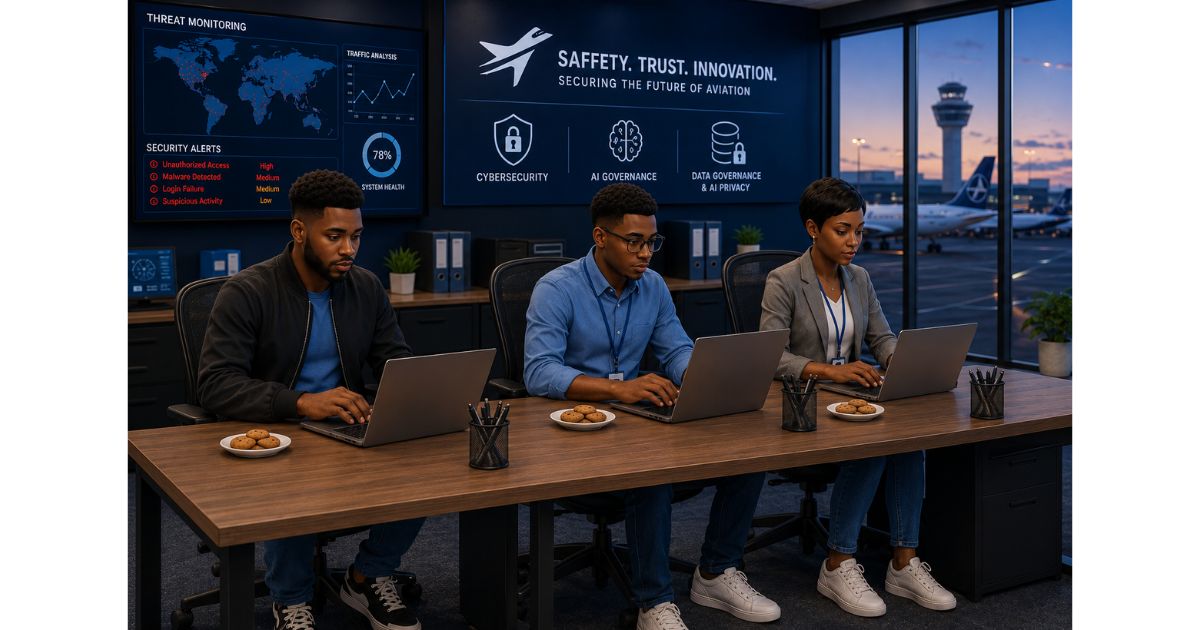
AI cybersecurity in aviation; can AI make airlines more vulnerable to cyber attacks….. read on Beatrice was preparing the cabin for departure when she heard something that caught her attention. The airline was introducing a new AI powered system to help improve operations. It was designed to analyse information quickly, identify unusual patterns and help airline teams make better decisions. Everyone was excited about what the technology could do. But there was another question that did not receive quite as much attention. What happens if someone tries to attack the AI? Artificial Intelligence can bring enormous opportunities to aviation. It can help airlines analyse data, support customer service, improve operational planning and identify potential problems. But every new technology can also introduce new risks. As airlines become more dependent on AI, AI cybersecurity in aviation is becoming an increasingly important conversation. The question isn’t whether airlines should use AI. The question is whether they can use it securely and responsibly. Here are three AI cybersecurity risks aviation organisations need to consider. 1. Attackers Could Manipulate the Data AI Depends On AI needs data. A lot of it. Weather information. Operational information. Aircraft information. Passenger information. Maintenance information. Historical records. The AI uses this information to identify patterns and produce recommendations. But what happens if someone manages to manipulate the information going into the system? This is where a cybersecurity risk can become an AI risk. Imagine an AI system is designed to identify unusual patterns in aviation operations. If an attacker can deliberately introduce misleading or manipulated information into the system, the AI could potentially produce an unreliable result. This type of attack is often discussed in AI security as data poisoning. The basic idea is simple. If you deliberately corrupt the information an AI system learns from or relies upon, you may be able to influence what the system produces. This is one reason AI cybersecurity in aviation cannot be separated from Data Governance. Airlines need to understand where their data comes from, who can modify it, how it is protected and how unusual changes are detected. Good AI requires good data. Secure AI requires protected data. 2. AI Systems Can Create New Cybersecurity Attack Surfaces Every new technology introduced into an organisation creates something else that needs to be protected. AI is no different. An airline may have existing applications, databases, cloud platforms and operational systems. Now imagine adding AI systems that interact with some of those technologies. The AI may need access to information. It may communicate with other applications. It may process passenger information. It may connect to external services. Every connection needs to be properly secured. If an AI system is poorly configured, inadequately protected or given more access than it actually needs, it could potentially create another path for attackers to exploit. This is why cybersecurity teams need to understand not only: “What can this AI system do?” but also: “What can this AI system access?” That distinction is important. An AI system does not necessarily need access to everything within an airline’s technology environment. The principle of limiting access to what is actually required can help reduce unnecessary risk. 3. AI Can Be Manipulated Through Its Interactions Not every AI attack requires someone to physically access an airline’s computer system. Some AI systems interact directly with people through natural language. Think about an airline chatbot. A passenger asks: “What is the baggage allowance for my flight?” The AI responds. Now imagine someone deliberately creates instructions designed to manipulate the AI into ignoring its normal rules or revealing information it should not provide. This type of attack can be associated with prompt injection, particularly in Generative AI systems. The concept can sound complicated, but the basic idea is fairly simple. Someone tries to manipulate the instructions given to an AI system so that it behaves in a way it was not intended to behave. For an airline, this could create concerns around customer service, confidential information and the way AI interacts with connected systems. This is why AI systems need appropriate security testing, access controls, monitoring and governance. AI Is Not Automatically Secure This is one of the biggest lessons I am taking from learning about cybersecurity and AI Governance. It is easy to think: “AI is intelligent, so it must be secure.” But intelligence and security are two different things. An AI system can be highly capable and still have vulnerabilities. It can produce useful recommendations and still produce incorrect information. It can process enormous amounts of data and still be manipulated. It can automate tasks and still create new risks. This is why cybersecurity needs to be part of the conversation from the beginning. Not after an AI system has already been deployed. Where Does AI Governance Come In? This is where AI Governance becomes important. AI Governance is not simply about asking whether an organisation should use AI. It also involves establishing the policies, processes, controls and accountability needed to manage AI responsibly. For an airline, governance questions could include: Who is responsible for the AI system? What data does it use? Who has access to that data? How is the system secured? What happens if the AI behaves unexpectedly? How is the system monitored? Can a human intervene? What happens if the system is compromised? How are AI related incidents reported and investigated? These questions connect AI Governance with cybersecurity. AI Cybersecurity in Aviation Is Also About Passenger Data There is another important layer. Airlines handle enormous amounts of passenger information. Names. Contact details. Travel information. Booking information. Passport and travel document information. Loyalty programme information. Special assistance information. When AI systems interact with passenger data, cybersecurity and privacy become even more important. Imagine an airline chatbot helping a passenger change a booking. The system may need access to certain information to provide the service. But should it have access to everything? Probably not. This is where organisations need to consider both security and privacy. The goal should not

Can Hackers Trick AI in Aviation? The Cybersecurity Risks Passengers Should Know
Can hackers trick AI in Aviation….. Imagine arriving at an airport for your flight. You check in, drop your luggage, pass through security and take your seat at the gate. Everything appears normal. Behind the scenes, however, hundreds of digital systems may already be working together. Some systems process passenger information. Others support airport operations. Some analyse weather, aircraft data, traffic patterns and security information. As artificial intelligence becomes more deeply integrated into aviation, AI may increasingly help people make decisions about what happens in the air and on the ground. But this raises an important question. What happens if hackers manage to trick an AI system used in aviation? This is where the conversation about hackers, AI in aviation becomes much more important than simply asking whether artificial intelligence is useful. AI can process enormous amounts of information very quickly. But it still depends on data, software, networks and the people who design and operate it. And anything connected to technology can potentially become a target. Hackers and AI in Aviation Cybersecurity: What Could Go Wrong? Let’s imagine a simple situation Imagine an airport using an AI system to analyse information and identify unusual activity. The system may have been trained using large amounts of historical data. It looks for patterns that humans might not notice immediately and can help identify unusual behaviour across large amounts of information. Now imagine that someone deliberately manipulates some of the information entering that system. The AI does not necessarily know that the information has been manipulated. It simply processes the information it receives and produces a result based on the data available to it. So, can hackers trick AI by manipulating the information an AI system relies on? Potentially, yes. This is why cybersecurity becomes so important when AI is introduced into aviation. The concern is not simply whether hackers can gain access to an AI system. It is also whether they can manipulate the data, software or environment around it in ways that could influence what the AI detects or predicts. For aviation, that raises an important question: If an AI system is making a recommendation based on manipulated information, would the people relying on it know that something had gone wrong? AI does not operate in isolation. It depends on data. It depends on software. It depends on networks. It depends on sensors and other systems. If those surrounding components are compromised, the AI could potentially be affected as well. That does not mean hackers can simply “take over an aircraft” by typing something into a computer. Aviation systems have multiple layers of security, procedures, checks and human oversight. The point is much broader. As aviation becomes more dependent on intelligent digital systems, protecting those systems becomes increasingly important. AI in Aviation Cybersecurity: Could Hackers Attack an Airport AI System? When people hear the word “hack,” they often imagine someone stealing a password. But cybersecurity is much broader than that. So, can hackers trick AI without necessarily taking control of the entire system? One possibility is manipulating the information the AI receives. An attacker could also try to exploit weaknesses in connected software, interfere with the environment around an AI system or find ways to influence the data it uses. This is particularly important when we talk about AI in aviation. Imagine an AI system designed to identify unusual behaviour at an airport. It analyses large amounts of information and looks for patterns that could indicate something unusual. Now imagine that someone deliberately feeds misleading information into the system. The AI may reach a different conclusion. The AI is not necessarily “lying.” It may simply be making a decision based on information that has been manipulated. This is one of the most important things passengers should understand about AI. AI does not automatically know whether the information it receives is trustworthy. It processes the information available to it. If that information becomes unreliable, the AI’s output could potentially become unreliable too. And that brings us back to the question at the heart of this article: Can hackers trick AI? Understanding how that could happen is an important part of understanding why AI security matters in modern aviation. Hackers and AI in Aviation Could Target the Data Data is one of the most important ingredients in modern artificial intelligence. Think about your own flight. Your journey can generate a surprising amount of information. Your booking details. Your destination. Your flight number. Your baggage information. Your check in information. Your boarding information. Your payment information. Your travel history. Operational information surrounding the flight. Weather information. Aircraft information. Airport information. Now imagine AI systems using some of these different categories of information to identify patterns or make predictions. This explains why hackers, AI in aviation and data security are becoming increasingly connected. If data is important to an AI system, protecting that data becomes important too. An attacker does not necessarily need to destroy the entire system. In some circumstances, manipulating the information going into a system could potentially be enough to influence what the system produces. That is why cybersecurity professionals talk about protecting the integrity of data. Integrity simply means that information has not been improperly altered. For aviation, that principle matters enormously. What If Someone Feeds AI Bad Information? Let’s make this even simpler. Imagine you ask a friend: “Is the road ahead clear?” Your friend tells you: “Yes.” You start driving. A few minutes later, you discover that the road is actually blocked. Your friend did not necessarily intend to mislead you. Perhaps someone gave them incorrect information. AI can face a similar problem. An AI system can produce an answer that appears convincing while relying on information that is incomplete, inaccurate or manipulated. This is one of the reasons hackers, AI in aviation deserves attention. Aviation depends heavily on accurate information. Weather conditions can change. Aircraft availability can change. Airport operations can change. Passenger numbers can change. Air traffic conditions can change. A system making predictions needs