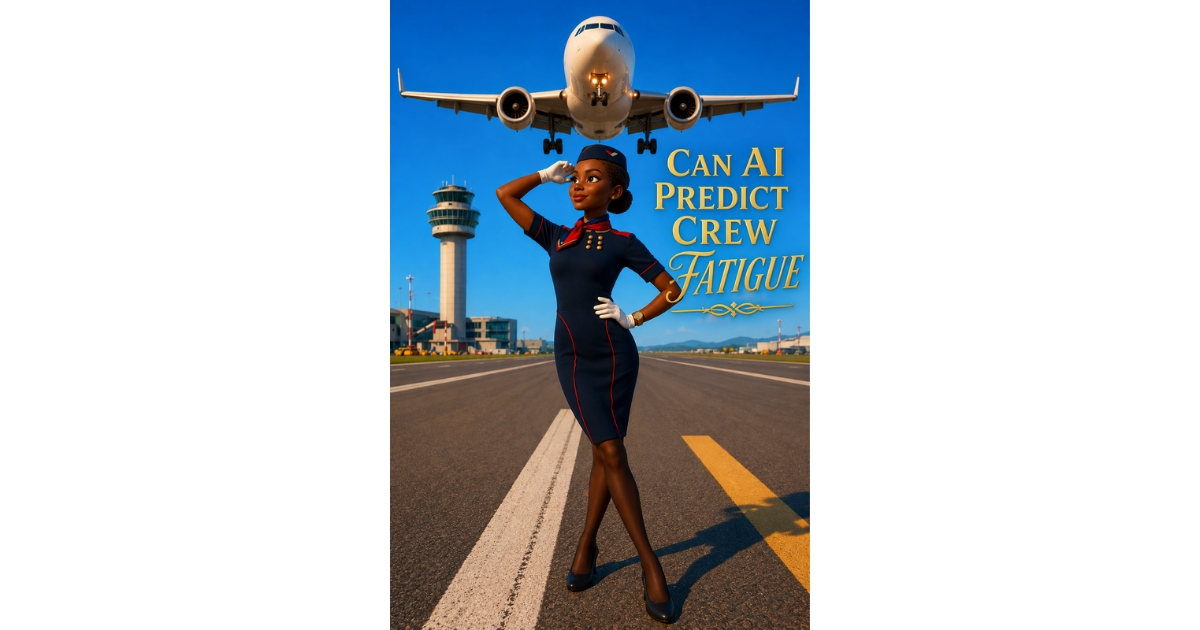
How Airlines Use AI, Data, and Aviation Safety Systems to Reduce Fatigue Risk in the UK and Europe
Beatrice checked her flight roster again before leaving for the airport.
Three early morning flights.
A late arrival the night before.
Barely enough time to recover before reporting again.
As a flight attendant, she understood something many passengers never see:
Fatigue in aviation is real.
Not just feeling tired.
But the kind of exhaustion that affects focus, decision-making, and reaction time all things that matter in aviation safety.
A few weeks later during a crew briefing, Beatrice heard something new.
The airline had started using AI-powered fatigue management systems to help predict crew exhaustion risks.
At first, it sounded impossible.
How can AI tell when someone is tired?
But the answer was already hidden inside the data airlines collect every day.
How Airlines Use AI to Predict Fatigue Risk
Modern airlines in the UK and Europe increasingly use AI and data analytics to improve operational safety and crew scheduling.
AI systems analyse patterns such as:
- crew rosters
- flight durations
- time zone changes
- rest periods
- shift rotations
- long-haul schedules
The goal is simple:
identify fatigue risks before they become safety issues.
For example, if a crew member repeatedly works disruptive schedules with limited recovery time, AI systems may flag that pattern as high risk.
This allows airlines to adjust schedules and reduce fatigue-related operational concerns.
Why Fatigue Matters in Aviation Safety
Fatigue is one of the most important human factors in aviation.
Research across the aviation industry shows that fatigue can affect:
- concentration
- communication
- situational awareness
- reaction speed
- decision-making ability
In safety-critical environments like aviation, even small lapses in attention can create operational risks.
This is why airlines are increasingly investing in:
- AI-powered scheduling systems
- predictive fatigue management
- operational risk monitoring
Especially in regions with strict aviation safety oversight like the UK and Europe.
The Hidden Risk of AI Fatigue Prediction Systems
As Beatrice listened, another question crossed her mind.
What happens if the system gets it wrong?
Because fatigue is not always visible in data.
An AI system may detect:
- legal rest hours
- acceptable scheduling patterns
- operational compliance
But it may not fully understand:
- emotional stress
- poor sleep quality
- physical exhaustion
- mental fatigue
AI can recognise patterns.
But human wellbeing is more complex than numbers alone.
The Risk of Over-Reliance on AI in Aviation
This is where aviation, cybersecurity, and GRC begin to connect.
AI systems are designed to support operational decisions.
But over-reliance on automation creates its own risks.
If organisations trust AI systems without proper oversight:
- inaccurate predictions may go unnoticed
- operational risks may increase
- accountability may become unclear
In aviation, this matters because safety depends on human awareness, not just system efficiency.
Where Governance, Risk, and Compliance (GRC) Comes In
This is why Governance, Risk, and Compliance is critical in AI systems used by airlines.
Governance
Ensures airlines have clear policies around how AI systems influence crew scheduling and operational decisions.
Risk Management
Identifies risks such as inaccurate fatigue prediction, system failure, or over-dependence on automation.
Compliance
Ensures airlines follow:
- aviation safety regulations
- labour and fatigue management requirements
- data protection laws like the General Data Protection Regulation
Because AI systems handling operational and employee data must still remain accountable and transparent.
How AI Is Changing Aviation Operations
AI is already transforming aviation operations across the UK and Europe through:
- predictive maintenance
- dynamic crew scheduling
- passenger demand forecasting
- operational risk analysis
These systems improve efficiency and support decision-making.
But they also introduce new governance and cybersecurity challenges.
Especially when decisions begin affecting real people behind the scenes.
The Bigger Question
As Beatrice prepared for another flight, she realised something important.
Passengers often see aviation as highly automated.
But behind every system is still a human being responsible for safety.
AI may help airlines predict fatigue.
But prediction is not the same as understanding.
And in aviation, human judgement can never fully disappear.
On A Final Note
AI is becoming a powerful part of modern aviation safety systems.
But as airlines continue using AI to optimise operations, organisations must ensure that:
- systems remain transparent
- risks are properly managed
- accountability stays visible
Because in aviation, safety has never depended on technology alone.
It depends on people, oversight, and the ability to question systems when necessary.